Photo of the Week: Feb 26

Tenderness: kids and animals

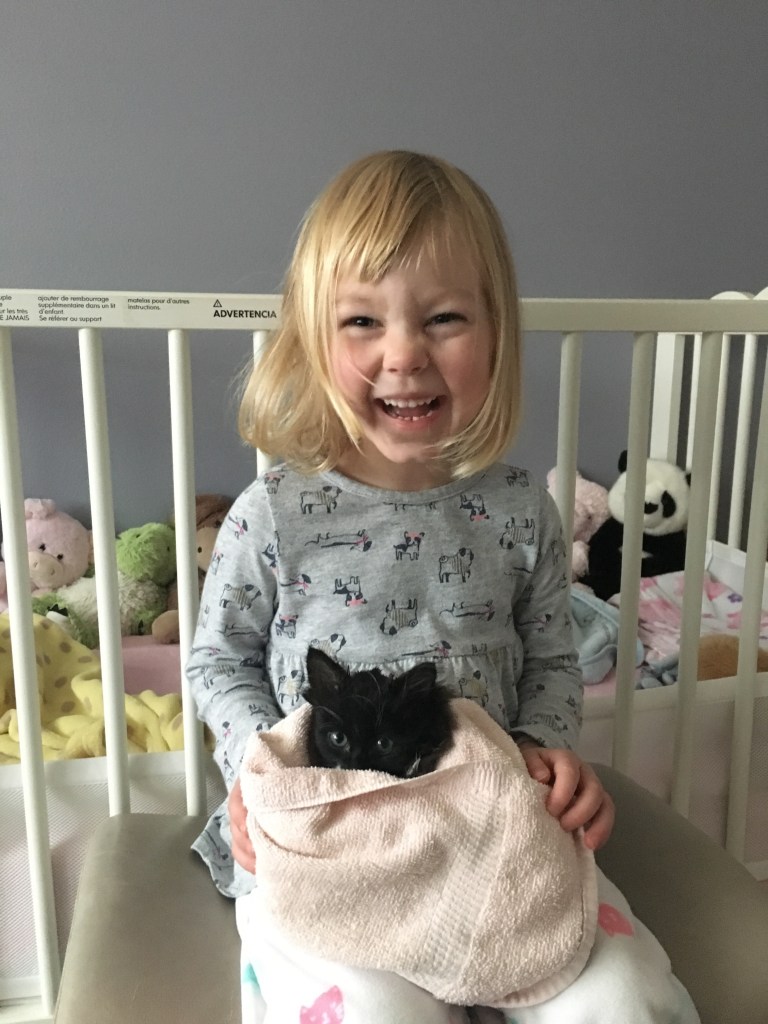
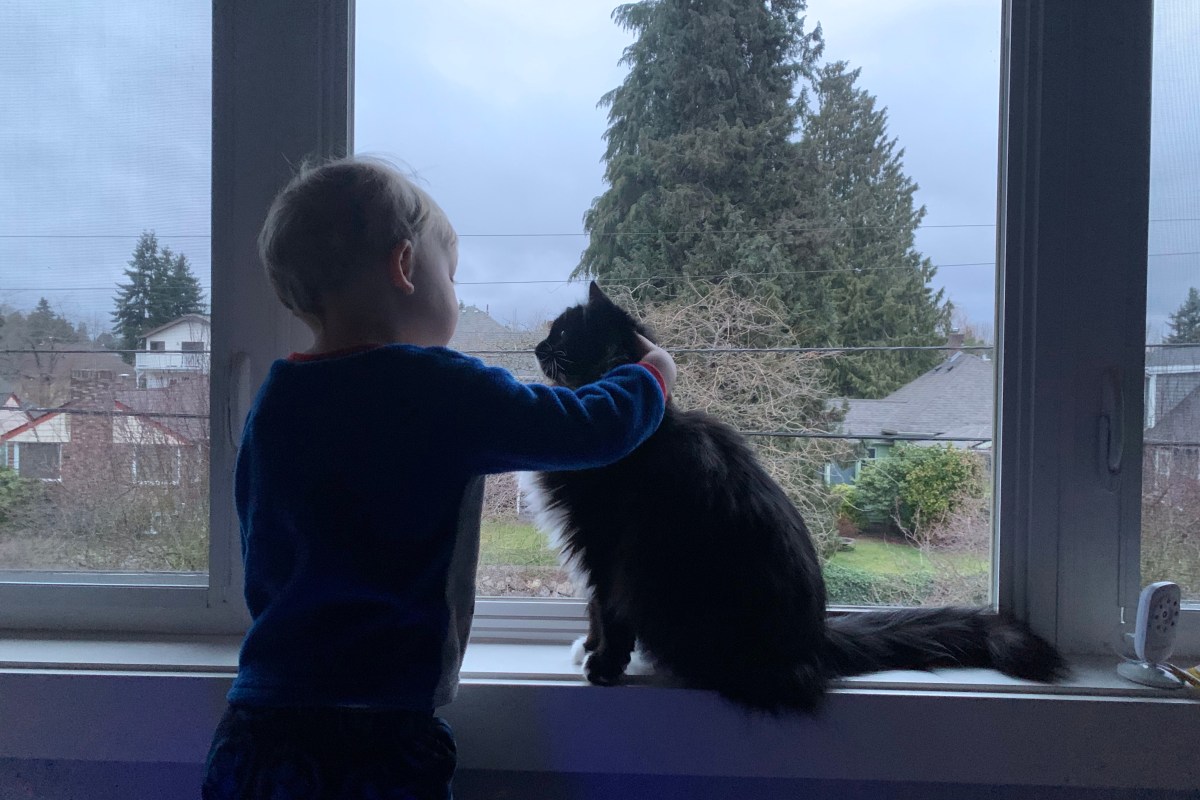
Our friends gave us this cat as a 4-week old 1.4 lb feral kitten that had been living in a dishwasher on the front porch of a home that was being renovated. Miss O was 3-years-old and pretended to read to her until she became comfortable with us. Mr. D has been talking to and trying to train her. Mostly he shakes the treats bag and she comes running.

I am a dog person but my kids have done a great job making Simone into a pretty fun cat.

Do We Have to Be Nice to Alexa?

Hem your blessings with thankfulness so that they don’t unravel.” – unknown

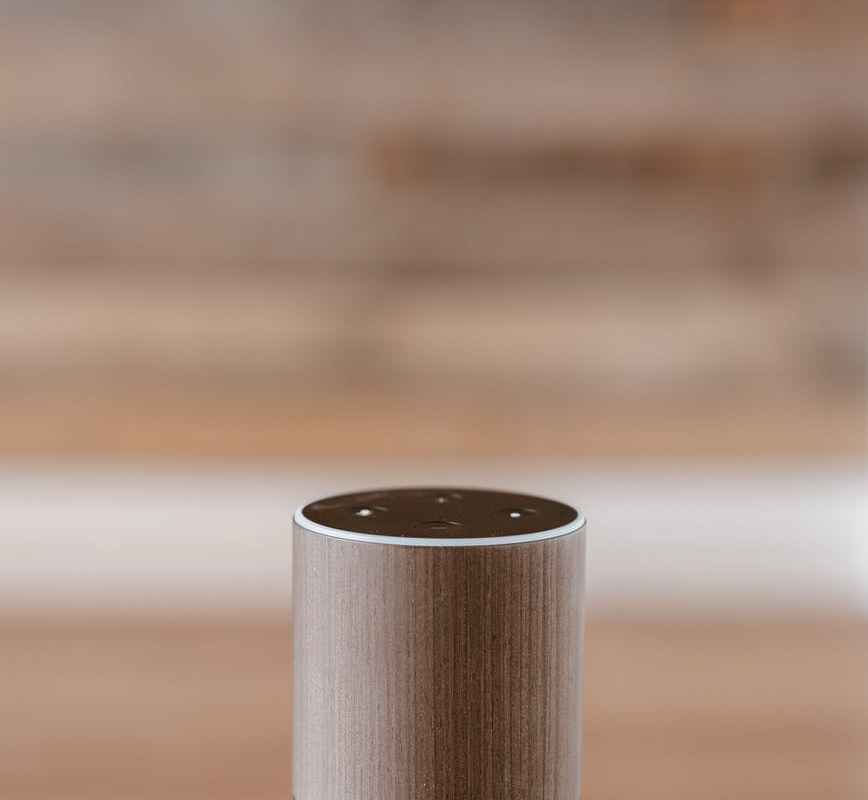
I was in the kitchen making dinner last night when I overheard my mom talking to the Amazon Echo device we have in the other room. It’s the device we have plugged in that is connected to the Internet so that the kids can request music for their endless dance parties (I know it does a lot more than that but that’s what we primarily use it for). Because the Echo doesn’t quite understand my son’s two-year-old voice yet, my mom was requesting a song for him, “Alexa, play Baby Shark, please.”

It made me think of manners and respect. I suspect that my 82-year-old mom’s manners are so engrained she doesn’t have to think whether or not she’ll say “please” any more, even when talking to a device. And I tend to say “please” as well when talking to Alexa because I appreciate anyone (or anything) that responds to my requests.

But is it an empty gesture when talking to an Artificial Intelligence device?

It reminds me of training a dog. To give commands, you have to be in control of yourself enough to be clear. In addition, the whole process teaches as much to the trainer as the trainee as you figure out what works and what doesn’t. And finally, there’s a loyalty built when you work together.

Besides, I think modeling respect for everything in our world for my kids builds a good foundation of choosing respect more often than not. Respect for the people that designed it, respect for the shared intelligence it delivers and respect for all the songs we can access through it. Given all that, I think Alexa deserves a please and a thank you!

(featured photo from Pexels)

Seeds of Faith

Believing is all a child does for a living.” – Kurtis Lamkin

The other day my 6-year-old daughter called for me. When I came into the room, she was holding her little brother because he’d tripped and fallen. When I took him from her and started checking for injuries, she huffed off.

When all was calm, I checked in with my daughter. She said that I loved her brother more than her. I told her how much I appreciated how independent and helpful she was. Then I listed all the ways we show our love and the privileges she gets because she is older. She nodded and said, “ At his age, you can see the love he gets better.”

Something more than the obvious sibling rivalry and jealousy struck me about that statement. After I sat with it some time, I’ve found such a precious seed of faith in that statement. Like if we could all trace back the roots of what we believe to the essential moments where we start to believe in what we can’t see we’d find seeds from moments like my daughter expressed. Faith in others, faith in love, faith in the Divine,

It’s as if I’ve been privy to watch her operate from within her God spot for all the years until now. She’s been operating from the natural trust that came with being so fresh from the Source. And now I’m witnessing her growth and awareness start to cover that over so that instead of operating without thought from her Seat of Unconscious, as I believe Jung would call it, my daughter is feeling out the ground on the other side.

While this leaves me with a sense of loss, I recognize it as a natural moving forward. Most of us cannot stay in a life free of ambition and embarrassment, fear and worry. We move away from that spot of grace that can bring so much peace and then have to work our way back, again and again.

But it strikes me that as she moves in and out of that unencumbered spot, the awareness is a gift of its own. It makes me conscious of my own God spot as well as hers and allows me to recognize when I need to help water and nurture her seed of faith — and my own.

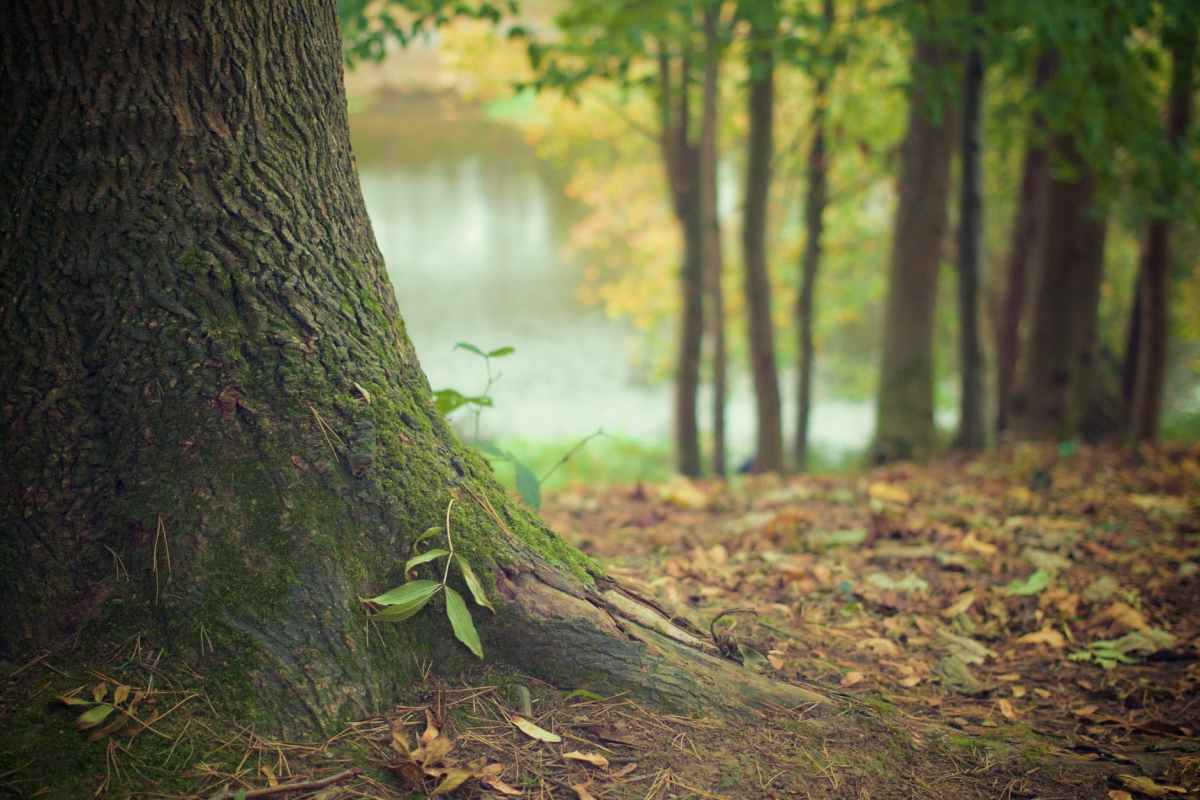
The analogy of a tree that grows deep roots resonates with me. For my kids to stretch tall in their beliefs, their roots need to grow deep down. And I need to have faith that they will have faith.

(featured photo from Pexels)

Seeing the Whole Mountain

If peace comes from seeing the whole, then misery stems from a loss of perspective.” – Mark Nepo

It’s probably not shocking to admit that the most beloved people in my lives, a.k.a my kids, can sometimes irritate me. The other day, my 6-year-old daughter walked by me as I was sitting at the table and used the back of my shirt as a napkin for her buttery popcorn hands. And the little one loves to get his hands on my dental floss – and pull and pull and pull until there’s a long trail behind him sufficient to find Hansel and Gretel.

But all it takes is one look at them earnestly trying to learn something, or one comment from someone else about how precious they are and my eyes leak as my heart overfills.

One of the best pieces of advice about love that I’ve heard about love is when feeling the grind of it, to back up and see the whole mountain. Maybe my love of mountains makes this resonate especially with me but it brings to mind some of the toughest spots I’ve faced in climbing.

One of my least favorites is called Cathedral Gap on Mt. Rainier. It’s right next to Cadaver Gap, which because it’s aptly named, is NOT the route we take. But Cathedral Gap, despite its lovely name is grueling. It’s right after you’ve left Camp Muir at 10,200 feet and the first time that rope teams and crampons are required. Often the route is quite pebbly in spots and the mud and muck get jammed between the points of the crampons designed to help grip in snow and ice. When that happens then with each step you have to bang your foot against your ice axe to clear the debris.

The combination of being roped up, coordinating the pace with those on the team all the while climbing, banging your foot with your axe and breathing undoes me. It isn’t that climbing the rest of the mountain is easy but that particular part of the route (approximately located where the yellow arrow is on the picture below) I find to be grating.

And yet, when I see Mt. Rainier as I do every sunny day in Seattle, it gives me such a thrill. Just a glimpse of The Mountain, as my dad called it, and I’m filled with a tingle of the timeless beauty, daunting majesty and feeling of home it gives me. I feel this overwhelming sense of hope that we can all know beauty and dignity and stand tall against the test of time.

And it’s the same with my kids. There is a particular expression they both have that show when they are feeling confident about something they’ve learned. One glimpse of their little faces and I’ve come home – to my love and my life.

Home

Stay close to those who make you feel alive.” – unknown

In the recent parent-teacher conferences I’ve had for each of my kids, I’ve gotten a feel for how my kids behave when they aren’t with me. It seems they are “go along to get along” people. Generally speaking, they follow the rules, don’t make a fuss, they don’t cry and they don’t get in trouble. My 6-year-old might talk a little too much sometimes but she gets her work done.

That’s not a big revelation since that matches my general approach to life. Although I am surprised that my two-year-old can do it at such a young age, especially because he’s never been told to. But hearing this is reshaping how I think of what my home is.

I used to think home was where our best-selves would shine through because of the love and nurturing there. I still think that – except that I’m realizing our best-selves are NOT our best-behaved selves, they are our most authentic, intimate selves.

Home is where we can take off our armor and practice speaking our truth. It is a place where it’s okay to have a soft underbelly and to let it all hang out. It’s where we can cry, have fits and let it fly (respectfully) when at home. Because, I figure, it’s the only way to get salve onto the sore spots and to receive sympathy for all the growing pains. It’s our place for practicing being leaders and followers and doing neither very well and learning.

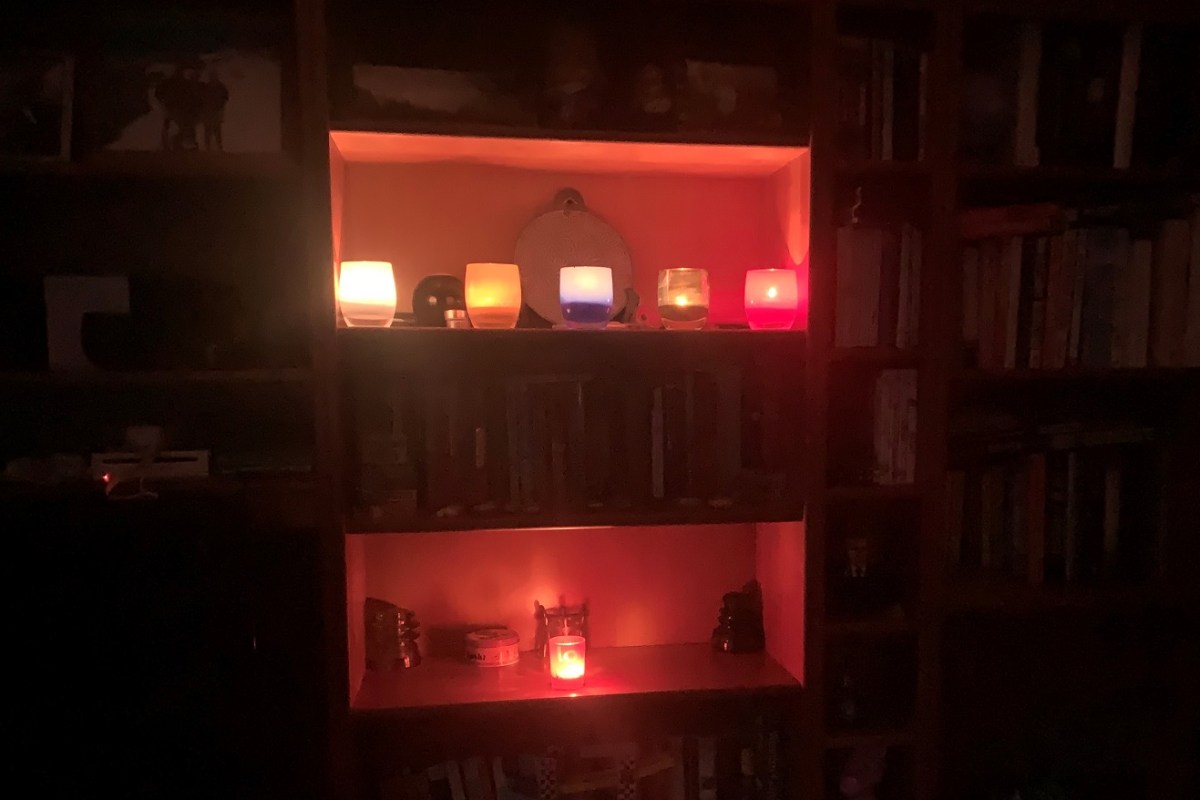
Home is where we learn grace. We can cry when it hurts, express disappointment, find out what truly refreshes us, practice imaginative play, be bored and unscripted. Home is where we light our candles, pray for peace and then figure out how to find that in ourselves. It is where we can be held through it all.

While it seems that I’m writing this for my kids, the truth is, I’m finding great comfort in defining this for myself. Somehow typing out a list of place of where and how we will be received and held is making my slippers feel a little more comfortable. In the years of the pandemic where home became where we do everything, it seems I got a little disoriented about my purpose in this structure.

So, I’m setting this down for all of us. Home is not just where the heart is – it is where the heart feels safest to be open, glow and grow in all directions.

Changing Your Mind

Your imagination is a preview of life’s coming attractions.” – Albert Einstein

My toddler told me the other day that he wanted Mac ‘n cheese for dinner. As I was boiling the water, he discovered that he liked the food I already had on the table. He turned to me and said, “I changed mine mind.”

I was amused, not expecting such introspection and courtesy from a two-year-old. But of course, kids are constantly changing their minds. They like playing with dolls until they don’t. It’s fine to carry a lovey with you everywhere – until it isn’t.

I recently heard a fascinating podcast from Ten Percent Happier with Dr. Alison Gopnik, a psychologist at UC Berkeley and expert on cognitive development. She explained why it is that babies can change their mind – because their neural pathways are much less grooved than those of adults. In an analogy she gave, she said kid’s neural pathways are a lot like the streets of old Paris, with winding, interconnected little streets. By contrast with adults, our brains look like wider, efficient boulevards that can hold much more traffic that can go faster. The result is as Dr. Gopnik said, “Young brains are also much more plastic and flexible – they change much more easily.”

She also introduced me to the idea of the local optimum, a concept from AI (artificial intelligence). It describes a situation where you can’t really tune it because any small change would make it worse, but a big change might make it better. In her words:

“One of the challenges for intelligence is how do we kick ourselves out of these local optima when we’ve become really practiced and good at doing one particular thing for example, it becomes very easy and natural to think that’s the thing to do. And just doing something that we’re not good at, doing something really different than the things we do every day can be the sort of thing that will kick you out of that local optimum and give you a sense of other alternatives.”

What We Can Learn about Happiness from Babies Podcast with Alison Gopnik

This makes me think of the example provided by the podcast host, Dan Harris. He was a journalist for ABC News for many years. After experiencing an on-air panic attack in 2004, Dan turned to meditation. After practicing for many years and continuing his day job as a weekend anchor for GMA, he wrote the book 10 Percent Happier, published in 2014.

Still working for ABC News, he started a mindfulness company and published podcast content about meditation and mindfulness. Finally in the fall of 2021, he negotiated out of his contract with ABC News to focus on his life passion: bringing meditation and mindfulness to anyone interested.

Dan Harris is a parent of a 7-year-old son. I assume that part of his slow transition is providing that solid base for his family life. But I’m so heartened to see a live example of how grown-ups can make big changes, even slowly, while raising a young family.

My son really meant it when he “changed mine mind” the other night. He no longer wanted mac ‘n cheese. Hanging around with kids, traveling, meditation are all examples provided by Dr. Gopnik of ways that grown-ups can change their minds. I can confirm that my kids help me come unstuck and imagine life from different angles every day and that, as Albert Einstein says in the quote above, widens my view of life ahead.
Selective Hearing

The years teach much which the days never knew.” – unknown

Have you heard the advice that Ruth Bader Ginsburg gave to Jennifer Lopez about relationships? It was something like, “It’s good to be a little deaf sometimes.”

I’ve been working on practicing that lately. My daughter snapped at me yesterday first thing in the morning for waking her first or not getting her brother up first, I can’t remember which. Whichever it was, I’m quite certain it needed no response.

Here is the list of times that are usually the best candidates for being deaf in my house:

  • First thing in the morning
  • When anyone is hungry, cold or tired
  • Anytime someone is sick
  • When excitement because a friend has arrived is at its fevered pitch
  • Last thing at night

I’m working on my own balance of when things need to be addressed. Maybe it’s 10 days of being together with no interruption but I’m finding less retort and more love is more effective. It’s not that I’m abdicating in my role as a parent, just that I’m saving my breath for our quieter moments.

My beloved dog, Biscuit, went selectively deaf as he got older. Somehow he couldn’t hear me calling him when he was sniffing something with great interest. But he never failed to hear the sound of the food hitting his metal bowl. I’m starting to think that deafness might not an infirmity that comes with age. Instead it seems it’s a sign of wisdom.

Rebranding Exercise

Sometimes it’s okay if the only thing you remembered to do today was breathe.” – Unknown

Somewhere in the middle of yesterday morning, I realized that, although I was in the middle of a scenario that I dreaded, I was doing fine, in fact better than fine. The scenario: quarantined alone with two kids for days on end, no other grown-ups allowed in for help or distraction, not able to go outside which is both my and my kids’ happy place, feeling sick and trying to work.

It made me wonder – how much energy is wasted imagining dreaded scenarios? They may or may not happen. And this one has taught me, that even when they happen, they don’t feel like I feared they would. In fact, I felt so emboldened by the fact I was facing this nightmare down that I skipped through the rest of the morning.

This sparked a tidbit that I learned many years ago from someone who was researching how we RSVP events that are 1 month or 6 months out. They found that our minds have an image of who we’ll be and how we’ll feel in the future that isn’t accurate. When we respond based on that image, we often don’t predict well whether we’ll want to go. The trick, the research said, was to RSVP as if the event was tomorrow or next weekend. Because we just don’t know how we are going to feel about an event until we are facing it.

Also in my dread, I couldn’t imagine the beautiful difference that how other people would react would make. My friends, neighbors and colleagues have been so supportive and offered to drop off groceries, dinners and things for the kids. And in my imagining, I couldn’t factor in the great community of grown-ups that I’ve found in blogging. Reading other people’s blogs and writing through this has kept me in touch with the big picture reality in such a delightful way (thank you so much!). And finally, my kids have done pretty darn well in this break from normality. They’ve bickered and gotten grumpy but also taken it in stride.

And finally, the fear of the unknown made the idea of the quarantine much scarier than it is. When I fear things, it adds a patina to the image that doesn’t appear in the reality. Dealing with and dreading are two different things. Of course, that is also thankfully because our cases are mild, it gets better and more known each day and now the end is in sight.

The more often I face something I dread, the more I learn to return from that feeling. I think we all leave the present for someone imagined scenario but like just like blinking, we have the chance to clear our vision and return. No need to spend any time in the future – because how I think I will feel when I have to have a tooth drilled, hold a child that is hurt or face disappointment is not how I will actually feel.

And building on the other things I’ve learned this week, I sat my kids down to do a meditation last night after dinner. It worked wonderfully to settle us all into a fun evening routine. They loved it and my 6-year-old especially thought it was great.

So I’m rebranding this quarantine as a meditation retreat.

Happily Ever As-Is

How simple it is to see that we can only be happy now, and there will never be a time when it is not now.” – Gerald Jampolsky

This week with the COVID quarantine and life interruptions that come with it – I’ve decided that happier ever after doesn’t exist. I blame the optimist in me that snow-balled me so I didn’t realize this until age 52. The optimist is always sure that the minute, day and week are going to go as planned and the grass is going to be greener after every milestone.

To be clear, I love my life now as a mom of 2 young kids. It’s delightful – they are bright, shining examples of love, light and inspiration.

And yet… I’m also always waiting for them to change. As an example, my two-year-old son likes the home-field advantage when he poops. He’s worked out how to be at daycare all day long without a dirty diaper and not poop until he gets home. Lucky me.

And my 6-year-old daughter frequently loses it when introduced to a situation where she has to play with kids in an unstructured environment. The two years of pandemic have meant she’s missed out on a lot of practice of that negotiation of rules and expectations that come when kids are playing and no adult is leading the way.

I know that both of those things will change sooner or later. I will potty train my son and work with my daughter on role playing and she will eventually get some more practice and mature.

This leaves me in great tension. How do I love my life as it is now and also long for things to change? It’s a paradox of life. It’s also why I’ve come to believe that happily ever after doesn’t exist. Because there will always be something that isn’t ideal and I’m waiting to change. Or something that I love that will also change. Or a disruption, hurry or maybe even… a pandemic that adds extra curve balls.

The funny thing is that I’ve gotten pretty good at appreciating the surprises that come with life. I’ve come to trust the Divine hand that holds mine and reveals in change and disruption what I need to learn. It’s just taken me until now to realize that there will never be a time that doesn’t come with unexpected twists. So I’m leaning into practicing “happily ever as-is.” It has a lot fewer expectations and even more delight.

(featured photo from Pexels)

Exceptions

The most common way people give up their power is by thinking they don’t have any.” – Alice Walker

My mom doesn’t get hot meals often these days. In her senior living residence that is so concerned about COVID, meals either come in boxes delivered to her door and then she can microwave them or on the rare evenings she can go to the dining room, the kitchen is so short-staffed the food comes out lukewarm.

So I worked hard to make a great, hot meal for my mom when she came over for dinner last night. Not that she complains about the food at her place but I know she is tired of cold meals in boxes after two years of this protocol.

My rule at our house is that no devices are allowed during meals. My son, tired after his first day back to daycare, protested that rule but it was short-lived and we got everyone to the table.

Mid-way through the meal, my daughter was done, left the table and was playing around while the rest of us ate. My mom was telling me a story and went to pull out her phone to find a meme that was in her story. My son was distracted by what my daughter was doing and might not have noticed but I put my hand over my moms and quietly reminded her of the rule.

I felt a twinge of embarrassment enforcing my own rule with my mother who I was trying hard to please. It’s not like my mom is always on her phone. It’s also quite possible that the kids wouldn’t have noticed. And, I had the power to make the exception.

But it struck me that’s the thing with leadership that’s important – to live by the rules that you set even when you have the power not to have to. And although I rarely feel like I have any power, I do have the responsibility of living up to the standards that I set, which is a power in and of itself.

It was fine – my mom just told me the meme. It was about Barack Obama writing Betty White a birthday card when she turned 90 years old. In it he said he couldn’t believe she was 90. In fact, he was so skeptical that he thought she should send him a copy of her birth certificate. 😊

(featured photo by Pexels)