
How to Share Compassionate Stories that Inspire and Connect

My mission in life is not merely to survive, but to thrive; and to do so with some passion, some compassion, some humour, and some style.” – Maya Angelou

The other day, as I was driving my kids home from school, a car cut in front of me and then sped off. My 10-year-old daughter said from the back seat, “Wow, that was rude.” And she wasn’t wrong.

But we often play a game where we imagine why someone might have done something that irritated us. Like with the driver of that car:

  • “Maybe they were grossed out by the bathrooms at Tiger Mountain and are racing home to go instead.”
  • “Maybe they are going to the airport to meet a long lost friend and have to buy some Top Pot donuts on the way.”
  • “Maybe they just realized they left a lasagna in the oven and were supposed to take it out…three hours ago.”

This game doesn’t just amuse us – it makes us feel better. It creates some compassion for the other person and shifts us out of our indignation.

It also makes for a better story and resonates with social psychologist, writer, and editor Anne Beall’s wisdom about compassion. On the How To Share podcast, I recently sat down with Anne to explore the ideas behind her book The Compassionate Writer. Anne shares her journey from researcher to founder of the Chicago Story Press Literary Magazine and offers a compelling elevator pitch for her transformative approach to writing with compassion.

We dive into the four pillars of compassionate writing—compassion for ourselves, for others, for the reader, and throughout the writing process—and discuss how these practices can elevate both storytelling and personal growth. Anne also breaks down the thoughtful structure of her book, which blends explanation, real‑world examples, practical exercises, writing prompts, and guided visualizations to help writers deepen their craft.

In this podcast episode, you’ll hear Anne reflect on her unique superpower of seeing stories from a fresh perspective, how her background shaped that lens, and why it can be both an asset and a challenge. We also explore her other works, including Cinderella Didn’t Live Happily Ever After, and talk about the impact of fairy tales and how reframing their messages can empower us.

If you’re looking for inspiration, creative insight, or tools to become a more mindful and empathetic writer, this conversation is packed with value. It’s a rich, energizing episode you won’t want to miss!

Takeaways

  • Compassion is essential for effective storytelling.
  • Understanding our own narratives requires empathy.
  • Writers should be gentle with themselves during the process.
  • Compassion for the reader enhances engagement.
  • Psychological biases affect how we perceive our writing.
  • Different learning styles require varied teaching methods.
  • Visualizations can aid in the writing process.
  • Seeing stories from multiple perspectives enriches writing.
  • The tone of writing can create a more relatable experience.

Here’s a fabulous short clip of Anne telling why compassion makes such a difference in our writing:

Here are some ways you can watch or listen to all of this insightful and helpful episode:

Please listen, watch, provide feedback and subscribe.

How to Share Compassionate Stories that Inspire and Connect How To Share

In this episode of How to Share, host Wynne Leon interviews social psychologist and writer Anne Beall about her book, The Compassionate Writer. They discuss the importance of compassion in writing, exploring the four pillars: compassion for ourselves, for others, for the reader, and throughout the writing process.Anne shares her journey from academia to founding a literary journal, and how her unique perspective shapes her writing. The conversation also delves into the psychological aspects of storytelling, practical exercises for writers, and the reframing of fairy tales to uncover deeper meanings.TakeawaysCompassion is essential for effective storytelling.Understanding our own narratives requires empathy.Writers should be gentle with themselves during the process.Compassion for the reader enhances engagement.Psychological biases affect how we perceive our writing.Different learning styles require varied teaching methods.Visualizations can aid in the writing process.Fairy tales often reflect societal values and biases.Seeing stories from multiple perspectives enriches writing.The tone of writing can create a more relatable experience.Links for this episode:⁠How to Share home⁠The Compassionate Writer on ⁠Barnes & Noble⁠, and ⁠Amazon⁠ ⁠Anne Beall's website⁠⁠Anne Beall on Substack⁠⁠Chicago Story Press Literary Journal⁠From the host:Wynne's book about my beloved father: ⁠Finding My Father’s Faith⁠
  1. How to Share Compassionate Stories that Inspire and Connect
  2. How to Share Music with Nancy Shear
  3. How to Share Snapshots of the American Dream
  4. How To Share: From International Lawyer to Thriller Writer
  5. How to Share Our Luck with Gil Gillenwater

Links for this episode:

How to Share Compassionate Stories That Inspire and Connect transcript

The Compassionate Writer on Barnes & Noble, and Amazon

Anne Beall’s website

Anne Beall on Substack

Chicago Story Press Literary Journal

From the host:

My book about my beloved father: Finding My Father’s Faith

(featured photo from Pexels)

How To Share: International Lawyer to Thriller Writer

Be not afraid of going slowly, be afraid of standing still.” – Chinese Proverb

When A. Marc Ross in college, he made a deal with his dad so that he could spend a couple of summers writing. He’d spend half a day writing and half a day working around the house. By the end of the deal he realized that he wasn’t ready to match the literary giants of the time.

So he went to law school. After a successful career as an international lawyer, Marc was ready to circle back to that dream of writing. He’s now published two thrillers with two more on the way.

I love Marc’s story because it reassures me that it’s never too late to pursue our lifelong dreams. It also reminds me that our experience along the way is helpful. In his book, Attacking the Dragon, Marc’s knowledge of China gained from his work as an international lawyer is part of what makes the action and intrigue so compelling.

My co-host Vicki Atkinson and I had a fascinating conversation with Marc on the How to Share podcast about his fabulous geopolitical thriller and his journey as a writer. We celebrate the art of reinvention—exploring how accomplished professionals like Marc transform their expertise into page-turning fiction and embark on a thrilling second act as authors. We get to hear firsthand how Marc turned his lifelong dream of writing novels into reality, overcoming challenges along the way.

This episode is packed with intrigue, inspiration, and actionable insights for anyone looking to excel not just in one career, but two! Don’t miss your chance to meet Marc Ross and fall in love with Attacking the Dragon—a must-read for fans of international suspense and powerful storytelling

Takeaways:

  • Marc Ross’s book ‘Attacking the Dragon’ explores China’s geopolitical landscape.
  • The Belt and Road Initiative is a significant yet under-discussed topic.
  • Ross aims to portray China as a victim rather than an aggressor in his narrative.
  • His legal background provides a unique perspective on the thriller genre.
  • Character names in Chinese culture are complex but manageable for storytelling.
  • Ross’s writing journey reflects a long-held dream to become an author.
  • He emphasizes the importance of creating unique protagonists in thrillers.
  • The art of storytelling involves engaging readers through vivid descriptions.
  • Ross enjoys the process of writing and values reader feedback. His experiences as a lawyer enrich his fictional narratives.

Here’s a short clip of Marc giving the elevator pitch for this great book:

Here are some ways you can watch this compelling and inspiring episode:

Please listen, watch, provide feedback and subscribe.

Links for this episode:

How To Share: From International Lawyer to Thriller Writer transcript

A. Marc Ross’s website: https://www.amarcross.com/index.html

Attacking the Dragon on Barnes & Noble and Amazon

From the hosts:

Vicki’s book about resilience and love: Surviving Sue; Blog: https://victoriaponders.com/

My book about my beloved father: Finding My Father’s Faith

(featured photo from Pexels)
How to Share a Ghost Story

Share your knowledge. It’s a way to achieve immortality.” – Dalai Lama

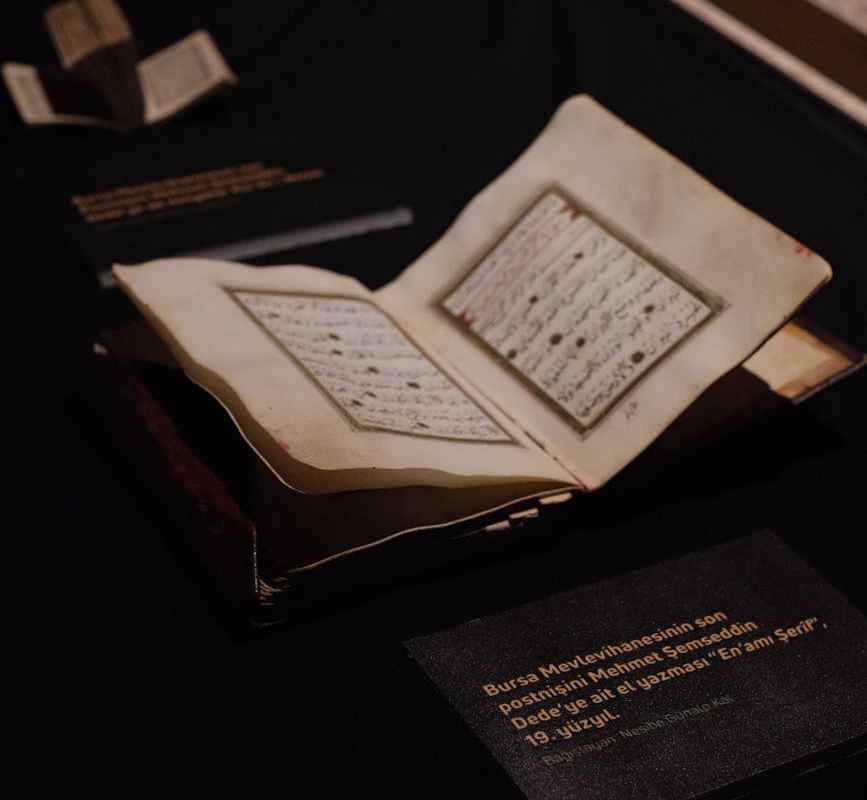
Book collector Harry Elkins Widener was 27-years-old when he stood on the deck of the Titanic and urged his mom to get on a lifeboat. He said he needed to go back to get a rare and precious book. He was never seen again and no book was ever found.

Here’s what I love about how we share. That story has persisted in the 113 years since the Titanic went down because it was shared. It lives on because Harry Elkins Widener’s mom built a library for him at Harvard complete with Memorial Rooms that house his desk and shared his rare book collection. I know of the story because the talented novelist Alyson Richman heard the story, did an immense amount of research, and then shared it in the form of her delightful latest historical novel, The Missing Pages. We humans really are amazing at our ability to share knowledge, stories, and legacy in so many ways.

On the latest episode of the How to Share podcast, Vicki Atkinson and I had the great fortune to talk with Alyson Richman about her incredible book, The Missing Pages. She tells us how she heard the story of Harry Elkins Widener from her daughter and was inspired to write this book.

Alyson has the amazing ability to inhabit the time periods she writes about – and they are different for each of her 12 bestselling novels. She tells us about her research process and how her insatiable curiosity helps to drive her storytelling and writing.

We talk about the unexpected gifts in writing. In this case, the story her daughter, Charlotte, brought home from a Harvard Campus tour. Alyson reminds us that you have to be open to receive unexpected gifts and the goodness that flows from them.

Alyson has done that beautifully in this book, embodying both the mother and son’s viewpoint as well as the rich historical context in her gripping story. It’s a ghost story, mystery, bibliophile adventure, and love-story all wrapped up in one delicious book.

This is a wonderful conversation with an incredible author about a fantastic book. We know you’ll love it.

Takeaways

  • Alyson Richman’s novel ‘The Missing Pages’ is inspired by a true story.
  • The book intertwines the past and present through a ghost narrative.
  • Richman emphasizes the importance of being open to unexpected gifts.
  • Her research process involves extensive historical exploration.
  • The themes of grief and memory are central to her storytelling.
  • Richman’s characters are deeply developed and emotionally engaging.
  • Historical facts serve as building blocks for her narratives.
  • Richman is currently working on a new novel about Edith Wharton.

Here’s Alyson talking about her inspiration:

Here are some ways you can watch this great episode:

Links for this episode:

How to Share a Ghost Story with Alyson Richman transcript

The Missing Pages on Barnes & Noble and Amazon

Alyson Richman’s website

From the Hosts:

Vicki’s book about resilience and love: Surviving Sue; Blog: https://victoriaponders.com/

My book about my beloved father: Finding My Father’s Faith

How to Share a Short Story

“Either write something worth reading or do something worth writing.” – Benjamin Franklin

Back when my brother had his pilot’s license, I would occasionally fly with him when he needed to get time in practicing take-offs and landings. We’d go on days where the weather was nice and spend an hour or two flying to nearby airports to land and take-off again to meet the minimum requirement for flight hours necessary to maintain his license.

Taking off and landing is the hardest part of flying. And I think that’s the same with writing, isn’t it? It’s why I’m so impressed by short story writers. That’s a lot of take-offs and landings, so to speak.

So I loved this How to Share podcast conversation that award-winning playwright Jack Canfora and I had with author Maxine Rosaler. We delve into her recently released book, The Missing Kidney, a collection of short stories that explore the complexities of human relationships set against the backdrop of New York City in the 1970s and 80s. There are 14 short stories in this collection – and Maxine is an expert at take-offs and landings.

Maxine shares her journey as a writer, discussing her preference for short stories, the therapeutic nature of writing, and the importance of character development. We touch on the evolution of New York City, the themes of truth and denial in her work, and the challenges of navigating personal relationships in fiction. Throughout the conversation, Maxine emphasizes the significance of finding one’s voice and the role of encouragement in a writer’s journey.

Takeaways

  • Maxine’s stories are character-based and often autobiographical.
  • She prefers writing short stories over novels for their conciseness.
  • Writing can be therapeutic, helping to process emotions and experiences.
  • The city of New York serves as a character in her stories.
  • Maxine believes in the goodness of people and explores themes of denial.
  • She emphasizes the importance of finding one’s angle in writing.
  • The evolution of New York City influences her writing and themes.
  • The unconscious mind plays a crucial role in the creative process.

Here’s a short of Maxine’s introducing one of her stories and some of the themes she likes to explore:

Here are some ways you can watch this engaging episode with the “best short story writer you’ve never heard of” per Kirkus Reviews. Until now, of course…

How to Share Compassionate Stories that Inspire and Connect How To Share

In this episode of How to Share, host Wynne Leon interviews social psychologist and writer Anne Beall about her book, The Compassionate Writer. They discuss the importance of compassion in writing, exploring the four pillars: compassion for ourselves, for others, for the reader, and throughout the writing process.Anne shares her journey from academia to founding a literary journal, and how her unique perspective shapes her writing. The conversation also delves into the psychological aspects of storytelling, practical exercises for writers, and the reframing of fairy tales to uncover deeper meanings.TakeawaysCompassion is essential for effective storytelling.Understanding our own narratives requires empathy.Writers should be gentle with themselves during the process.Compassion for the reader enhances engagement.Psychological biases affect how we perceive our writing.Different learning styles require varied teaching methods.Visualizations can aid in the writing process.Fairy tales often reflect societal values and biases.Seeing stories from multiple perspectives enriches writing.The tone of writing can create a more relatable experience.Links for this episode:⁠How to Share home⁠The Compassionate Writer on ⁠Barnes & Noble⁠, and ⁠Amazon⁠ ⁠Anne Beall's website⁠⁠Anne Beall on Substack⁠⁠Chicago Story Press Literary Journal⁠From the host:Wynne's book about my beloved father: ⁠Finding My Father’s Faith⁠
  1. How to Share Compassionate Stories that Inspire and Connect
  2. How to Share Music with Nancy Shear
  3. How to Share Snapshots of the American Dream
  4. How To Share: From International Lawyer to Thriller Writer
  5. How to Share Our Luck with Gil Gillenwater

How to Share Short Stories transcript

Links for this episode:

⁠The Missing Kidney⁠ website

The Missing Kidney on ⁠Barnes & Noble⁠ and ⁠Amazon⁠

From the Hosts:

⁠Jack Canfora’s website⁠

My book about my beloved father: ⁠Finding My Father’s Faith⁠;

Inspiration and More

Learn the rules like a pro so you can break them like an artist.” – Pablo Picasso

The other day I was with my five-year-old son, Mr. D, in a room of storage lockers. He was checking everything out and said, “Look at that wonder.

I followed his gaze to a padlock that had a piece of tape with a question mark on it. My interpretation was that the owner of the lock was unknown. But I liked Mr. D’s better – just look at that wonder.

I get so much inspiration from my kids. They see things with new eyes and help me to peel away my assumptions that cover over so many things.

But there are other ways to break out of that mold and we talk about some in the latest episode of the Sharing the Heart of Matter podcast. Vicki Atkinson and I are with author, graphic designer, and blogger, Dave Williams.

I love reading something that gets my creative juices going. But even better in the community of podcasting and blogging is catching a ride on everyone else’s enthusiasm!

In this episode, Dave Williams, tells us about the inspiration he gleaned from reading Felicia Day’s book, “Embrace Your Weird.

Felicia’s book is more than a read, it’s an experience of exercises to break us out of our creative ruts. Dave shares his take on what inhibits our natural flow and some of the things that inspire him.

This is a great episode with the incredibly talented and creative Dave Williams. We get to draft off of his inspiration, Felicia Day’s book, and the flow of creative sparks.

I’m certain you’ll enjoy the scenic and inspiring places we go when we share the power of story.

We know you’ll love it!

Search (and subscribe!) for Sharing the Heart of the Matter on Apple, Amazon, Spotify or Pocket Casts OR Listen to it from your computer on Anchor: Episode 82: “Embrace Your Weird” with Author Dave Williams

AND subscribe to our YouTube channel to see a video clip of each story: @SharingtheHeartoftheMatter.

Transcript for this episode: Episode 82 transcript

Links for this Episode:

Dave Williams – writings and drawings (wordpress.com)

‘Bubba Ho-Tep’ and feeling more okay about creating weirdness – Dave Williams (wordpress.com)

Dave’s review of Felicia Day’s book can be found here.

“Embrace Your Weird” by Felicia Day – linked here.

(featured photo from Pexels)