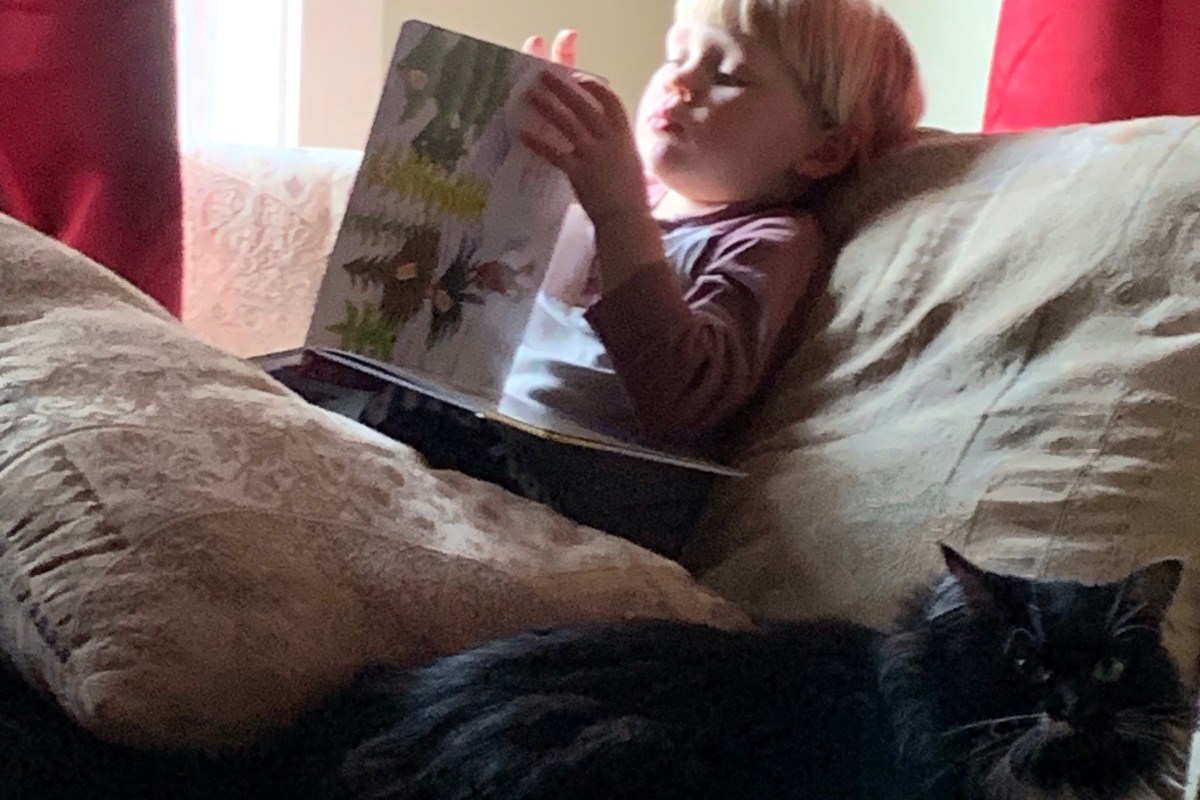
The Ultimate Reader

No two readers can or will ever read the same book, because the reader builds the book in collaboration with the author.” – Neil Gaiman

This is a repost of something I posted 2/22/2023. Heads up that you may have already read this!


When I started putting together the memoir I wrote about my father, I had the good fortune of connecting with a great writing coach, Sheila. As she explained it to me, her job was to be the “ultimate reader” – the person who asked the questions about temporal lapses, gaps in the storyline, or unexplained references to make the final product more cohesive.

I’d written a number of drafts before I sent a version to her but the first thing she had me do on our first telephone consultation was to tell her the story. As I ticked off the points:

I finally got to the detail that when my dad died, I’d been in the process of becoming a single parent at the age of 45 and was pregnant. I hadn’t told my beloved dad about this decision, expecting that I’d do it after my pregnancy was confirmed.

I could practically hear Sheila groan over the phone because I’d left out a pretty big part about family in my book about MY FAMILY. She gently said, “Oh, I think we need to tell that part of the story too.” And she had me re-order the whole book and write a letter to my dear departed dad telling him that I was pregnant.

It was just one of many spots where I didn’t yet understand my own narrative and couldn’t see the full-circle perspective that it added to the book I was writing. But with her help as my ultimate reader, I was given a gift of synthesis that other people can help us create.

No two readers can or will ever read the same book, because the reader builds the book in collaboration with the author.

– Neil Gaiman

I usually think of the WordPress community as a group of creators; whether we write essays, poetry, fiction, or have blogs focused on photography. But even more ubiquitously – we are readers. Perhaps we are reading to learn something, to feel something, be transported to another place, or maybe to be inspired about what we need to write. But I think we sometimes forget that we are also helping someone else put their story together.

The act of being an ultimate reader is, in my eyes, one of the most generous. We connect to what someone else is putting out there, imagine what their story is, make comments about how it lands for us, and become a part of the cycle of creativity.

Even when we write for ourselves, once we hit “publish” it becomes something different because it’s a shared space with readers.

Recently, Davy D wrote a charming post about some of his first memories of becoming a reader: What Kind of Reader Are You?. It was easy to understand the roots of his lifelong passion as he described the competition between his neighbors growing up. In that post he also pointed to a book that helps us understand that we have a style of reading as well – fascinating.

Back to Sheila, she was one of the most generous readers I could have asked for. In that space of writing a book about my dad while spending every day nurturing the tiny, little life in my body, she helped me understand better the arc of my narrative. One of the many things Sheila taught me was being a reader is a big responsibility. We have the chance to make writing not feel so lonely. We can laugh together.  We co-create this space and story together. Isn’t it wonderful?

Thanks for being one of my readers.

I’ve posted a related piece on the Wise & Shine blog: The Art of the Comment

(featured photo from Pexels)

When I Write

The words you speak become the house you live in.” – Hafiz

This is a repost of writing I posted on 10/12/22 – heads up that you may have already read this.


The other day a friend was telling me how his dad, who was a professor in the business school at the University of Washington, wrote books. He’d shut himself in his home office and for two months would just sit there with a note pad nearby. Sometimes he’d watch a game or organize stacks of papers. When my friend would come in and ask his dad what he was doing, his dad would say, “I’m writing a book.” My friend would say, “Nah, you’re listening to your police scanner.

And then in the third month, my friend’s dad would start typing and be done with the manuscript in a month.

After telling this story my friend turned to me and asked, “How do you write?

I have a very specific time to write each day. It’s in the morning after I’ve gotten up at 5 or 5:30am to do yoga and meditate and before I get the kids up at 6:45 am. I tackle ideas that have been floating around my head because of things I’ve heard, read or have been struggling with.

That time of day for me is when I’m most hopeful, mystical, and quiet. I can hear the small whisper at my core and I have better access to my creative muse.

Then the day starts and its drop-offs, pick-ups, doing my day job. By the evening, my creative muse has been pounded into bits. It’s tired, critical and tells me I don’t have anything worth saying. I don’t look in the mirror at that time of day because I will find fault with what I see. I tend to be pretty quiet in the evenings because I’m as shallow as a muddy puddle and just as unclear.

So I almost always write from my renewed self and never include words from my salty self. As I laid this out to my friend, the downfall of my approach became apparent to me. It’s like cooking with only sugar and no salt. I write from a place from which I’ve shaken off the dust that collects during each day and even my suffering looks shinier.

I’m only covering about half (or less) of my human experience. Not the times that I say “sh!t, f*&k, d@mn under my breath when I step on a kids toy in the dark and definitely not when I very badly want to blame my kids for causing me pain. I don’t write in the times when it truly feels like nothing is going to work out. And certainly not the times when I feel like the life I’m leading is unrelentingly tough.

I can meditate later in the day and get back some equanimity. But there’s a Buddha quote that says, “Sleep is the best meditation.” Indeed it is my best way to remove the tarnish of life and reinvigorate my creative muse. But if I want to write about the fullness of life, I need to remember it’s the whole day experience.

My take is that my friend’s father wrote a book in one month because he had spent the time to gather himself and then could get it all down in one go. It’s a good reminder to me that I need to gather all of me to bring to the writing table lest I leave out all the spice.

I’ve also posted today about how my purpose for writing has changed at the Wise & Shine Blog: The Writer’s Mission Statement

(featured photo from Pexels)

Writing For a Different Result

Gotta move different when you want different.” – unknown

I wrote a Wise & Shine post this morning about writing outside of our comfort genres: Writing Outside of the Box

That post and this one were, largely inspired by an interesting post by Jack Canfora I read recently about trying a different style of writing when you are stuck or want to get out of a groove. In the post, The Virtue of Walking in Different Shoes Jack tries his hand at writing Bob Dylan lyrics and extols the practice of writing something entirely different as a way to break away from our habits.

Ode to Joy

I read an article about a man
Playing ping pong in the dorm
He was dropping his son at college for the term
And not ready for good-byes to become the norm.

He said, “one more game” and his son complied.
Finding his own rhythm for the change of the day
The man served instead of cried.
Knowing both he and his son were finding a new way.

I read this article and looked at my two, feeling how soon they’ll both fly.
As the tears welled up and I honked back a wheeze
I thought, “I’m not ready to let go of these wee moments of glee
Sponsored by luck and joy.”

So now I’m on notice to really savor the fun
Complete with spills, drills and mess.
I’ve got you for now, my little ones
So let’s play while you’re still in the nest.

Okay – so I’m not taking up writing verse anytime soon. But it really was a good exercise to change things up – to really think about every word I used and to really listen to the cadence. Besides, I consider any day I can use the phrase “honked back a wheeze” a good one…

Being a Humble Realist

I’ve missed more than 9000 shots in my career. I’ve lost almost 300 games. 26 times I’ve been trusted to take the game winning shot and missed. I’ve failed over and over and over again in my life. And that is why I succeed.” – Michael Jordan

Listening to a Ten Percent Happier podcast with Dr. Valerie Young, an expert on Imposter Syndrome for more than 40 years, I was surprised to hear her say that about 70% of people will experience feelings of being an imposter at some point. She explained Imposter Syndrome as, “explaining away our accomplishments & having a fear of being found out as a fraud.”

Thinking about it in terms of writing, I wondered if writers experienced it even more than others. Dr. Young did affirm that people in creative fields do seem to be more vulnerable because they are “only as good as their last book or their last performance.”

When I’ve managed to write a meaningful post that I feel really good about, how many times have I felt, or heard another blogging friend express, “but now I have to do it again? I’m not sure that I can.”

Dr. Young went on to talk about studying the other 30% – the ones that don’t experience Imposters Syndrome. Not the ones that are narcissist or at the complete opposite end of the Imposter Syndrome, but the ones that have a realistic sense of competence.

“These are people who are genuinely humble but have never felt like an imposter. And the point that I always make is that people who don’t feel like imposters, setting aside that arrogant, narcisstic, smartest-guy in the room, that’s not who we’re going after. But that subset, I call them humble realists, they are no more intelligent, capable, confident that the rest of us – but in the exact same situation, they’re thinking different thoughts. It’s not a pep talk like ‘you’ve got this, you can do it, you deserve to be here’ all of which is true but they think differently (based on my research) about three things:

  1. Competence – what it means to be competent, they have a realistic understanding of competence
  2. Healthy response to failure, mistakes, constructive feedback, even negative feedback
  3. Healthy response to fear”
Dr. Valerie Young

Looking at that list, I think of all the things I’ve failed at. It does get easier to pick myself up after failure – or as Michael Jordan says in the quote for this post, “I’ve failed over and over and over again in my life. And that is why I succeed.

My post for Wise & Shine this morning is about Imposter Syndrome: The Imposter Syndrome in Blogging

(featured photo from Pexels)

Sacred Spaces for Stories

Our actual job as writers is to make the world a little more clear. A little less cluttered. A little less ugly.” – Ann Handley

In my favorite coffee shop, there are three cushy chairs by the window, organized around a low coffee table. I’m usually early enough to get my seat, the one where I can put my tea on the windowsill and plug in my laptop, and then the other chairs eventually fill up. Usually it’s two people by themselves like me but sometimes it’ll be two people together and then since they are facing me, we’re all in it together.

A while back I heard two 50-something women sitting in the chairs together catching up after a while. One was talking about her process for measuring progress on her diet, lamenting the fact that any weight gain or loss she experiences happens three days after she eats (or doesn’t), making the intervening days till the scale registers seem interminable.

She sighed and said she had a friend who was overweight and very happy. “Somedays I think I should just give it up and follow her example. She’s not sweating over everything she eats.”

Her friend replied, “No! For goodness sakes, stay the course.

And then the first woman smiled and said, “Thank you, that’s what friends are for.

As far as blog fodder goes, this seems like totally safe territory. I don’t know these women and will likely never see them again to report on whether the first, who I couldn’t pick out of a lineup, stayed with her eating regimen.

It reminds me of right after I found out about my husband’s (now ex) infidelities and told my friend, Bill, about the drama over dinner in a tiny Japanese restaurant with tables barely a foot apart.

I started the story with my business partner inviting me out to lunch even though we’d never socialized just the two of us. Then I showed up and he’d asked to be seated in a booth in a section of the restaurant that wasn’t open. At this point, I was on pins and needles and felt like I was going to throw up, so that when he finally started down the list of my ex’s infidelities, it was pretty awful but almost a relief from the anticipation.

Then my business partner cooked up a scheme that he’d send me an “anonymous” email with the information so that I didn’t have to tell my ex how I’d found out.

By that evening, the email hadn’t arrived and I had gone out to dinner with my dear friends, Jill and Sue, as planned before the whole drama unfolded. The business partner called to ask if I had gotten the email and I said I hadn’t. He said he was okay if I told my ex I found out from him.

At 5am the next morning when I finally opened the conversation with my ex, “Have you ever been unfaithful to me?” and he answered, “no,” the ball was rolling. His primary question was “how did you find out?

When I couldn’t keep it secret any longer, I revealed the business partner’s role. My ex packed a bag of clothes to check into a hotel and then told me he was going to the business partner’s house. “He betrayed me!” he shouted, completely missing the irony of the comment that we were talking about his infidelity.

As I launched into the part of the story about calling my business partner on 8am that morning (which happened to be New Year’s Eve) telling my ex was heading his way to confront him, I noticed that all the tables around us in that small Japanese restaurant were silent. I didn’t mind. It seemed they all deserved to find out that my ex barged in to the business partner’s house without knocking but didn’t hit him or inflict any other physical damage. He didn’t ever forgive him though.

So maybe I ended up as blog fodder for someone else. Fair enough – I don’t mind on many levels, the most obvious one being that I shared it in a public space.

Of course, this becomes a trickier balance when we blog, talk, preach, about people we know. Talking with a fellow blogger last week, I know I’m not the only one that wrestles with how to make sure that people in my life know that I honor a sacred space for their shared stories.

I take my cue on how to navigate this from my father. Growing up as a pastor’s kid, there was a definite likelihood that you could end up in a sermon. My dad would share stories or funny things we said – but didn’t share secrets or embarrassing moments, and he had a way of making the point about what he learned, instead of ever making us the butt of the joke.

Of course, I could not write about the characters in my life at all but they are a great deal of my inspiration – for learning, laughing and, loving. So I walk the line of asking for permission and (hopefully) being gently respectful because in these post-Covid days, I don’t often hear conversations in coffee shops.

For more about creativity, please check out my Heart of the Matter post this morning, The Creative Rhythm and subscribe to that blog as well! The theme for the month is creativity so there will be great inspiration to be found!

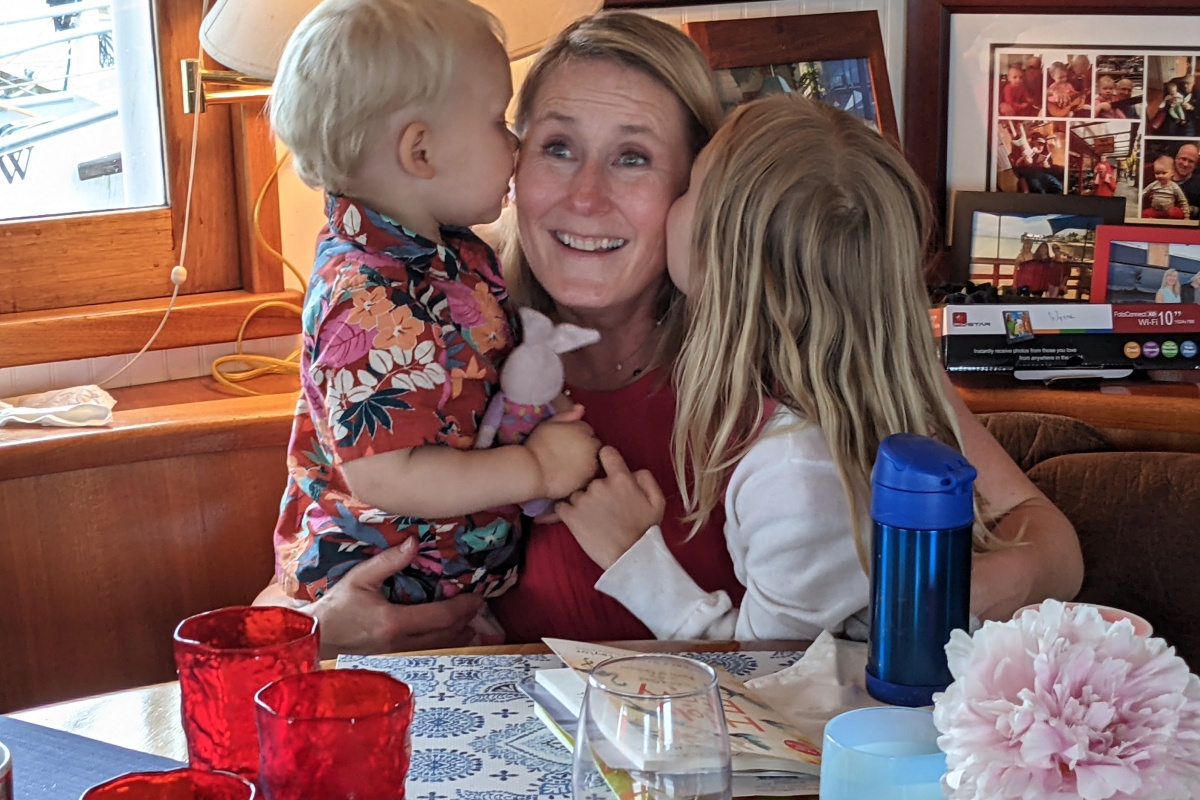
(featured photo is of my kids telling me secrets)

Putting Pen to Paper

We do not learn from experience. We learn from reflecting on experience.” – John Dewey

As part of the consulting work I do, I have four additional email boxes on top of my work and my personal email boxes. Technically, I have three more work emails than that but with fairly little flow so I don’t check them. So let’s just call it six email boxes that I check more or less every day.

It’s not that bad – I can make a quick round in the morning and evening and button most things up which gives me that sense of completion of having things finished, and if not finished, at least tied down.

But this week, a couple things happened and I got buried under an avalanche of email. First, I volunteered to chaperone a field trip with my daughter’s 2nd grade class. It was wonderful – I wouldn’t have missed riding on a school bus to the Seattle Center, seeing a play, eating lunch, and then playing at a playground with those fantastic kids for anything.

But my daughter left her coat on the playground and I ended up driving back down to Seattle Center and picking it up after the field trip ended. It turned a 4.5 hour commitment into something like 6 and then between picking up and dropping off my kids, I essentially got nothing done for an entire day.

The second thing that happened was that one of my clients had a crisis so all his email flowed into my box and I had to sort out what was a priority and what was not without much context or foundation.

Suffice it to say, I have emails coming out my ears. My nice and tidy practice of at least skimming them has blown up, at least temporarily.

Amidst this electronic mayhem, I sat down to write a thank you card and a birthday letter. Old-fashioned, put the pen to the paper, nothing electronic involved, notes.

It was a wonderful experience for me – the words and images flowed in a different way than if I’d been at the keyboard. Instead, I sat at my dining table late at night after I put the kids to bed and wrote down what was on my mind.

I slowed down and really thought about the words I wanted to choose. And when I’d written my way into a sentence that didn’t work, I had to pause to think if I could weave my way out or if I’d have to take that terrible step and scratch out a word. In that pause, I wondered why I’d used a particular word.

In theory that’s what I do when I write an email as well. Except that other emails come in, I get distracted by a new notification of a WP post, or I want to look up facts and figures to go with some line of thinking. Then the result is more like an edited research paper than a narrative of life.

Sure, I’ll catch up on my email (or I won’t – apologies to anything I’ve missed this week), but I’ve made a note to myself (in long-hand) to remember to keep slowing down and writing something meaningful now and again.

And the timing of this letter writing couldn’t have been more fortuitous because Vicki Atkinson and I talked with artist and writer, Libby Saylor, about journaling, including the benefits of writing things out by hand, in the latest episode of the Sharing the Heart of the Matter podcast: Episode 11: How to Journal the Right Way with Libby Saylor.

I Have No Words

Dogs do speak, but only to those who know how to listen.” – Orhan Pamuk

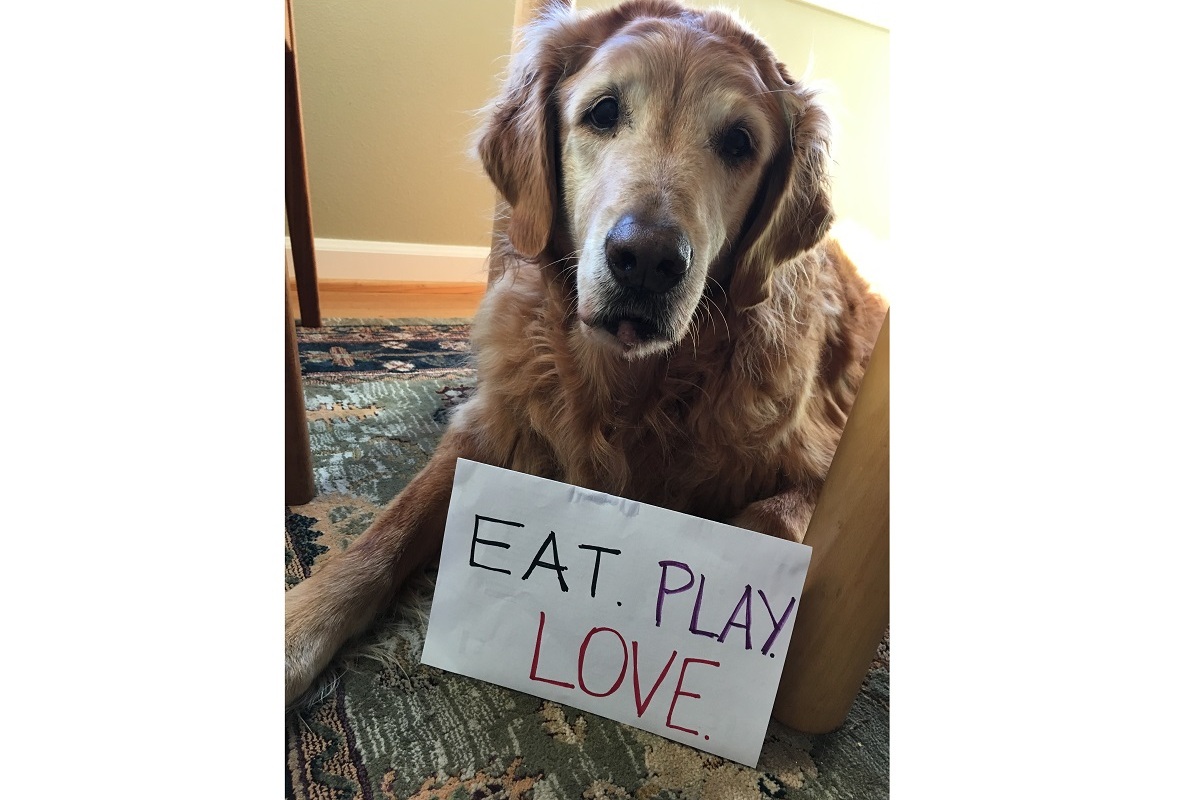
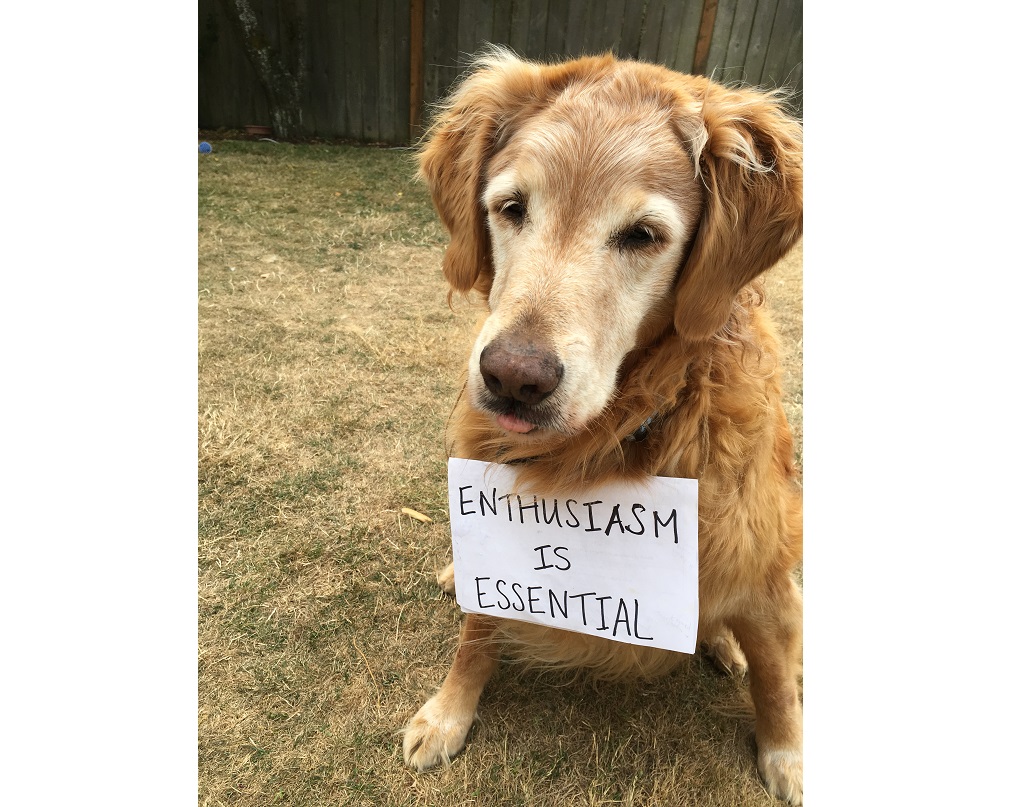
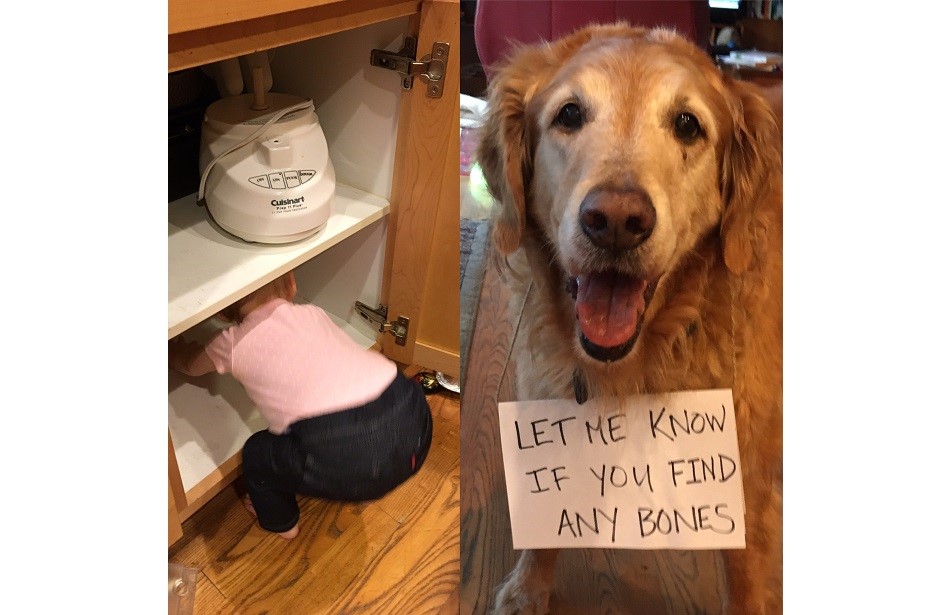
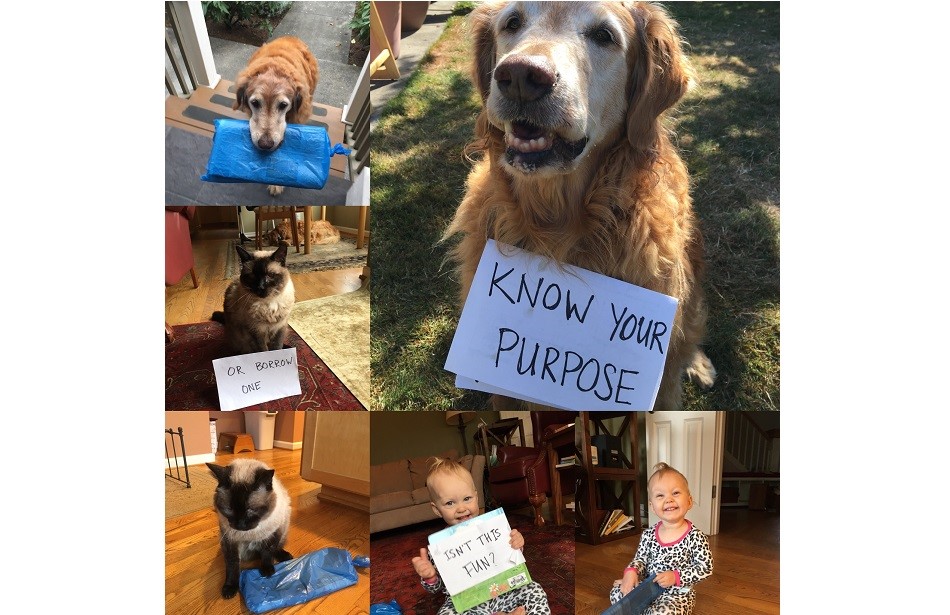
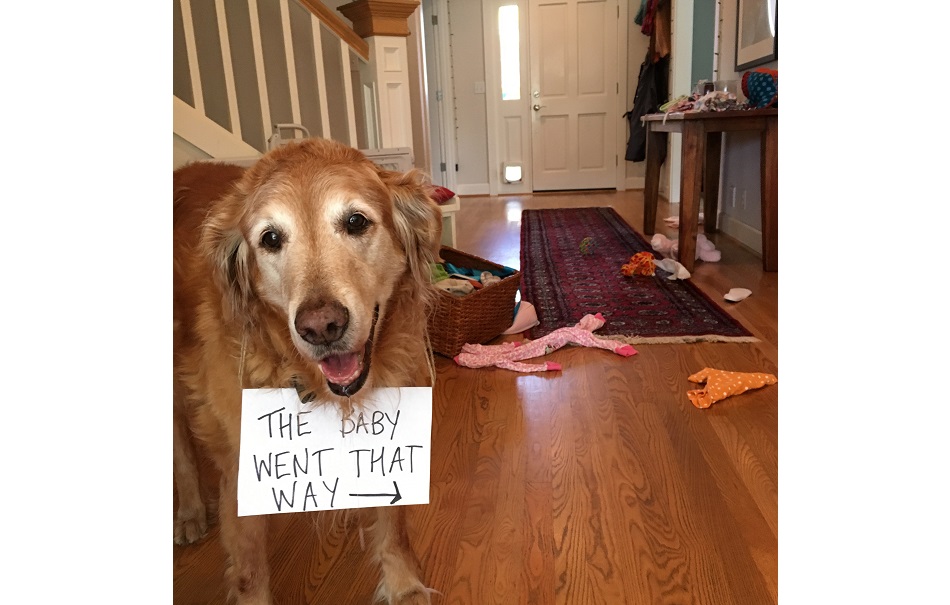
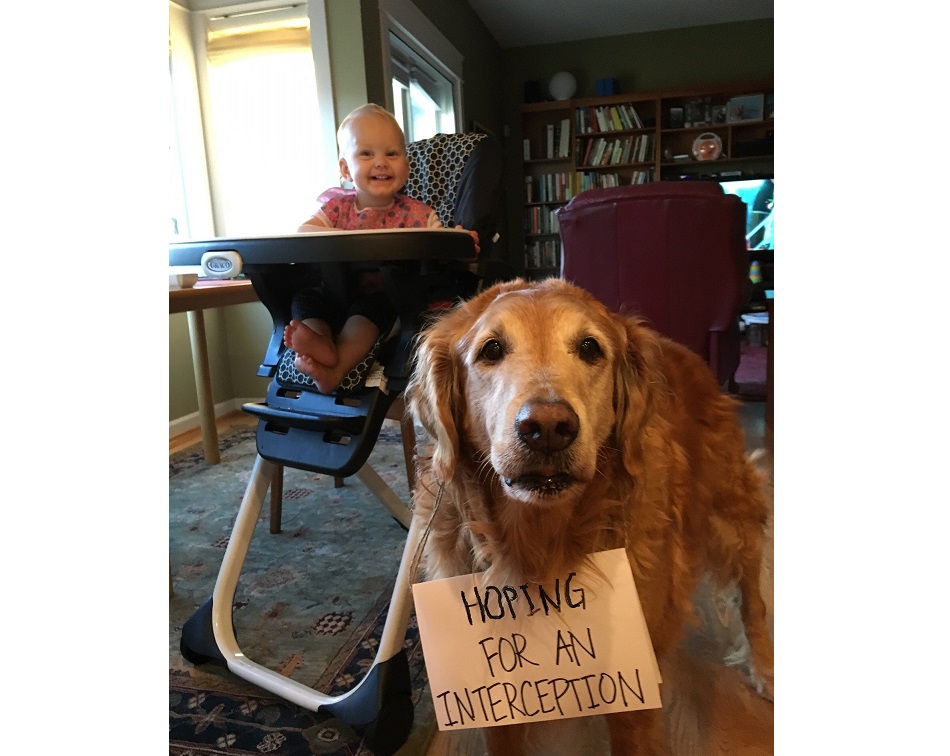
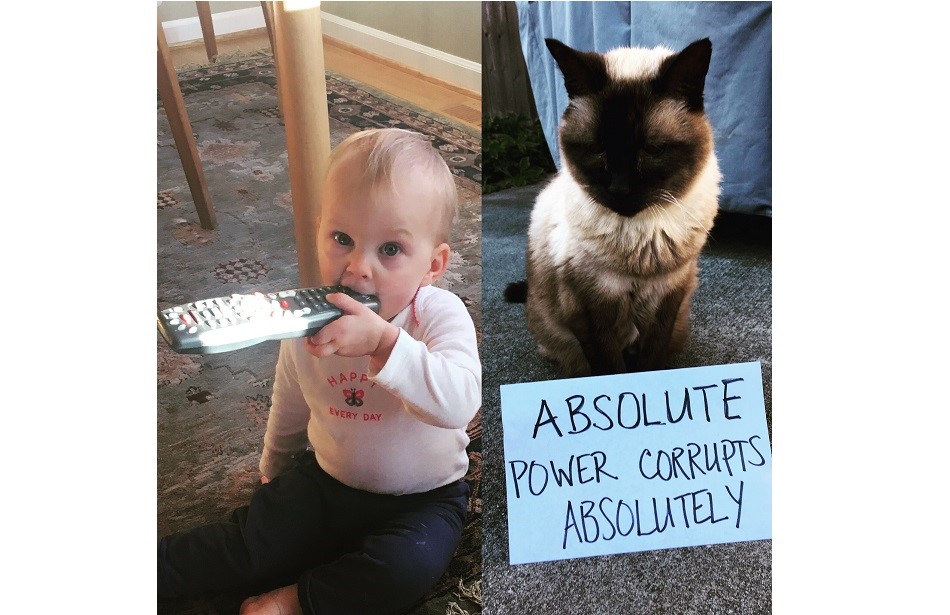
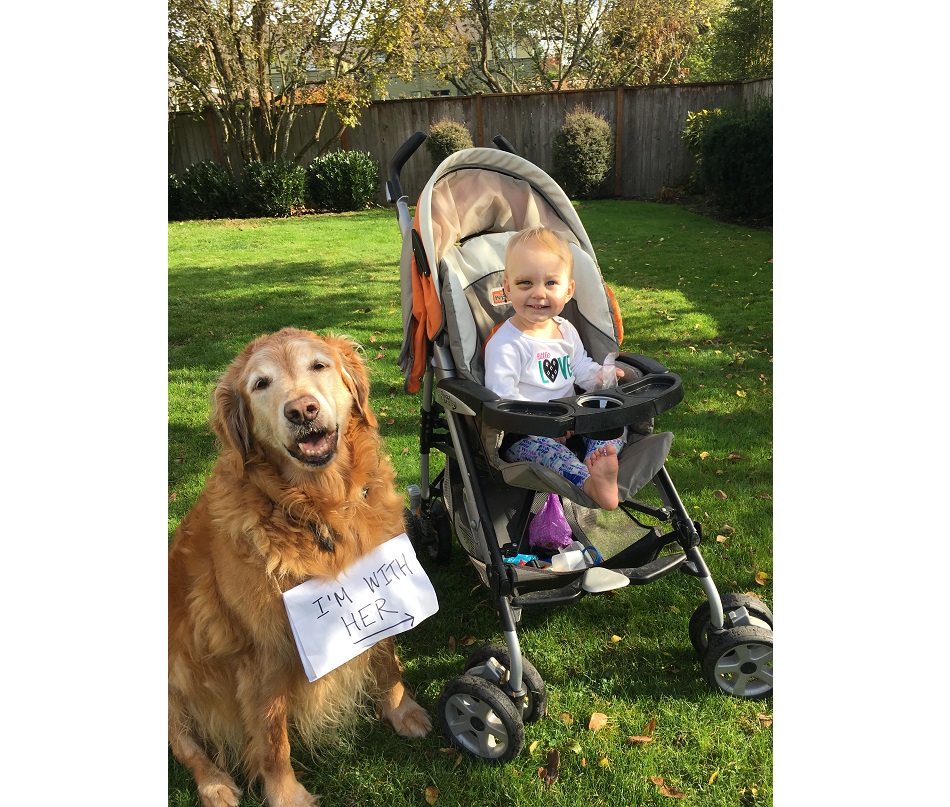
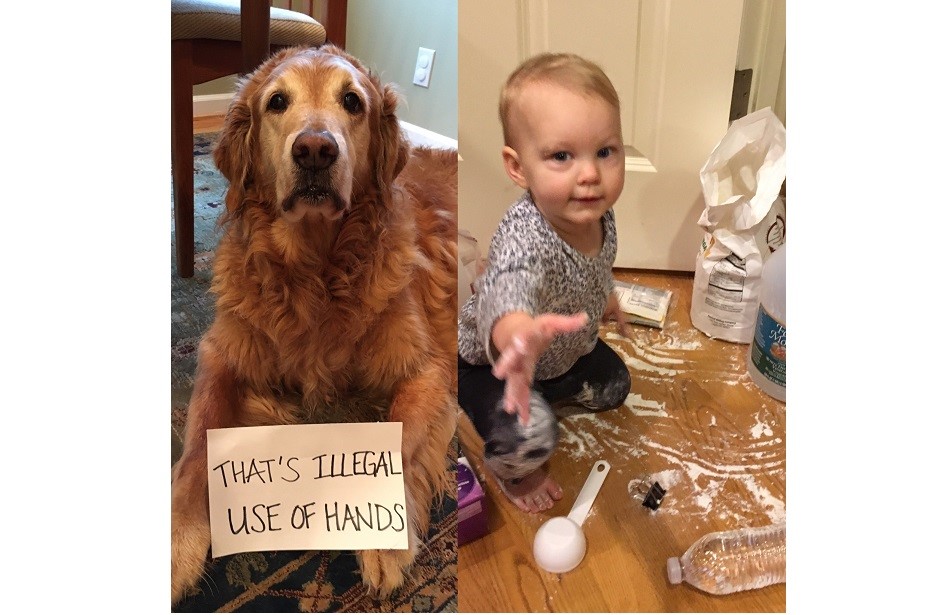
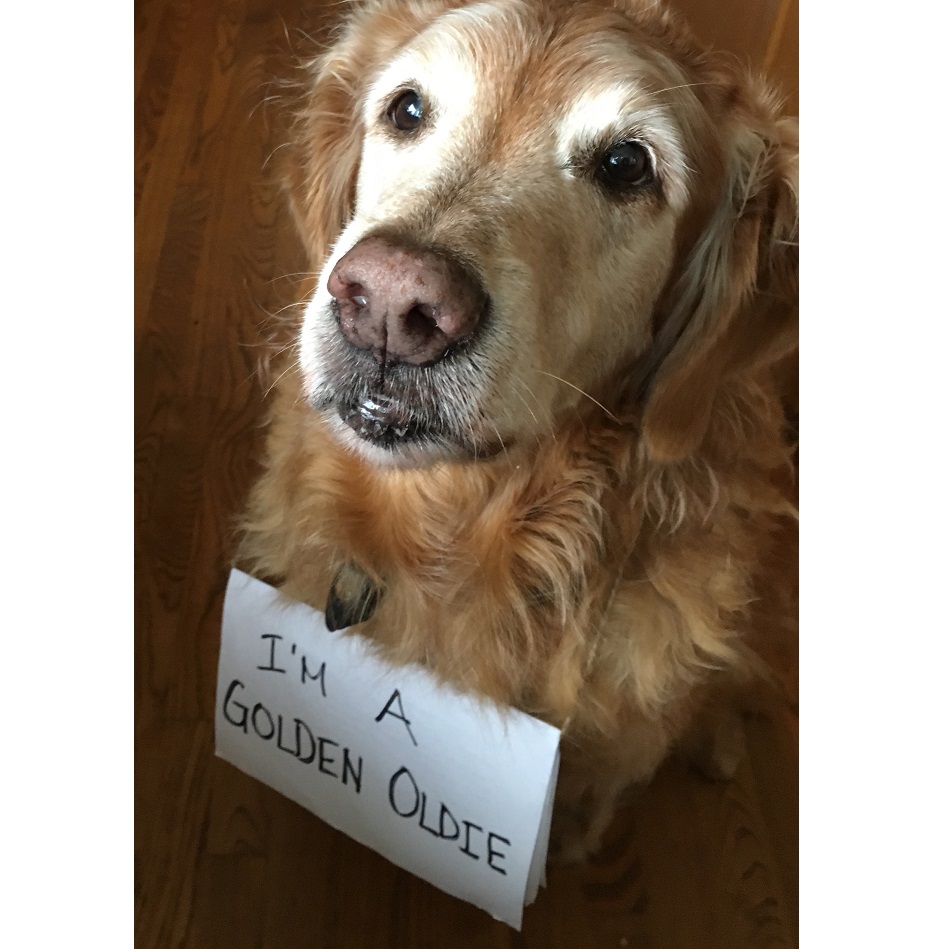
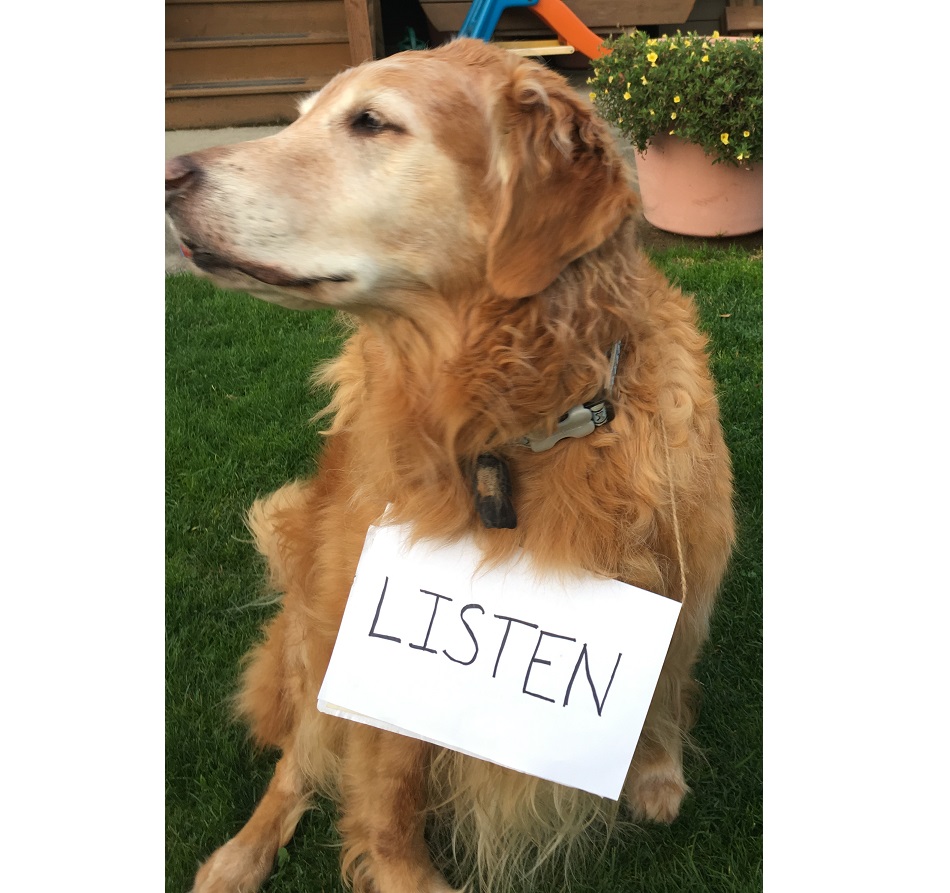
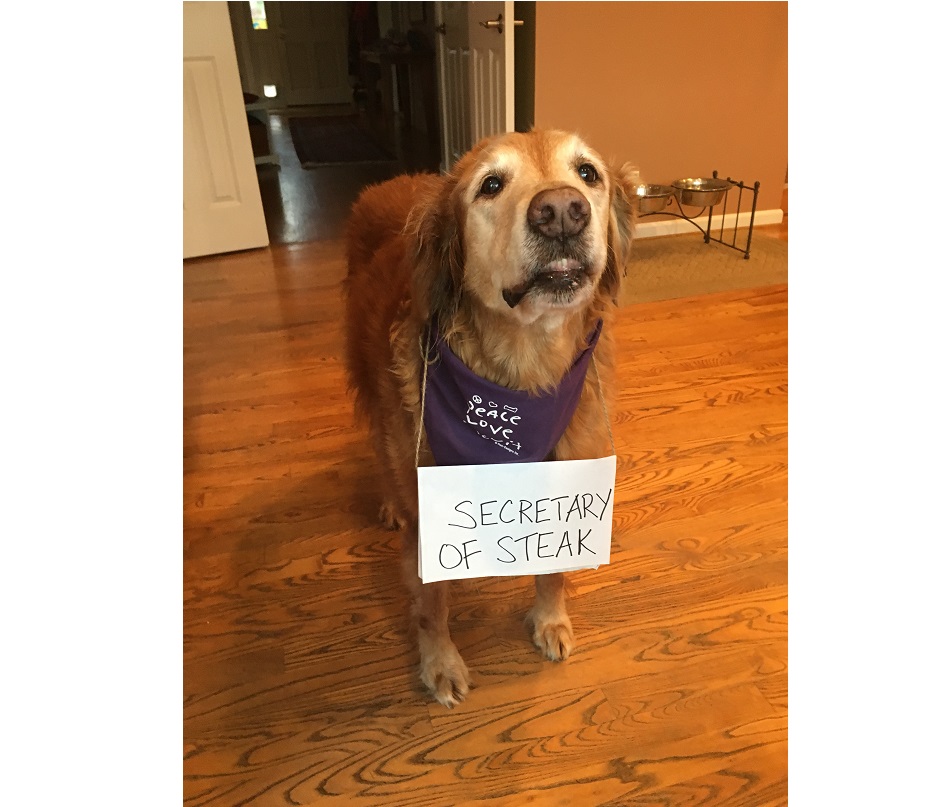
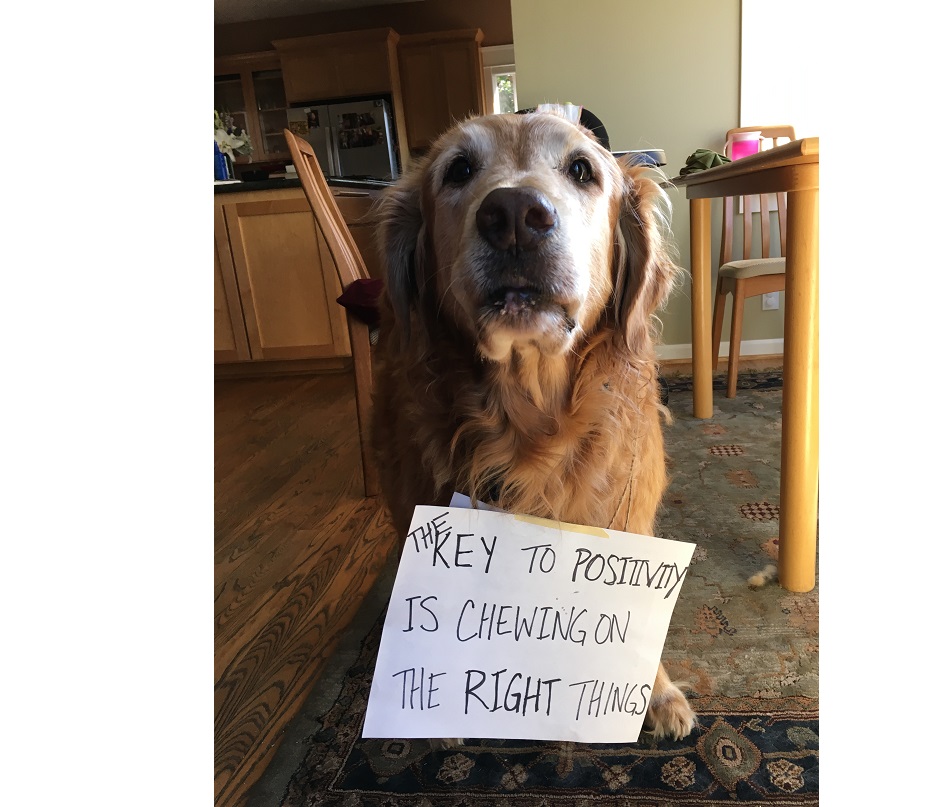
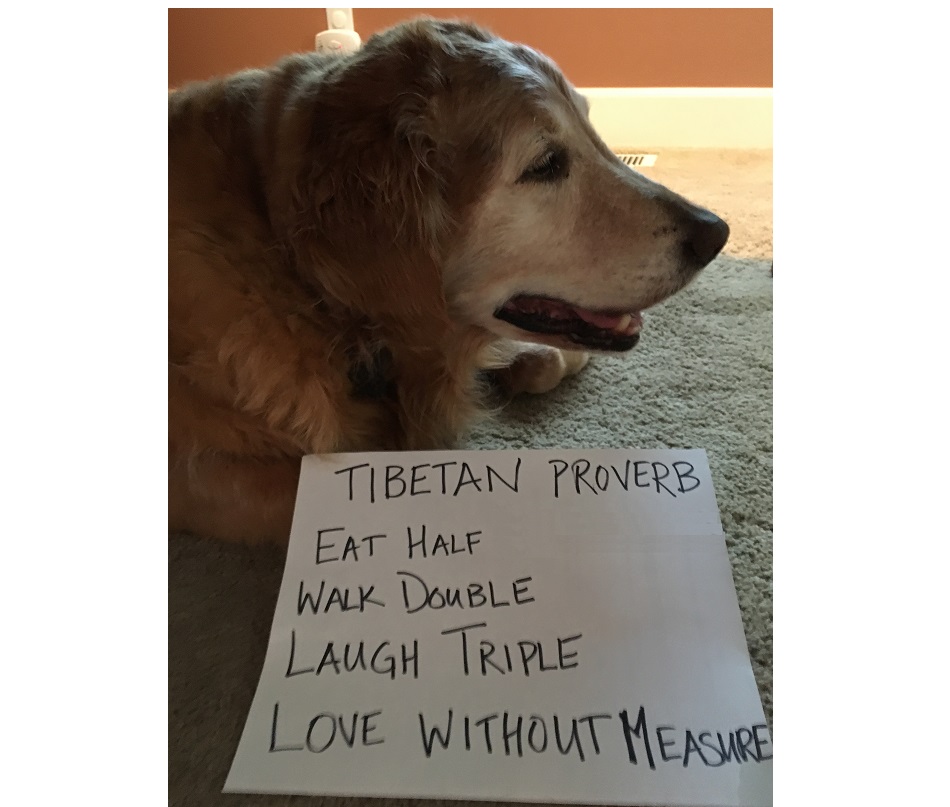
When I first started this blog, it was mostly a place for the pictures I took of my dear dog, Biscuit, and the signs he’d pose with. And even though I wrote them, I swear I was channeling his sweet and funny messages, referee calls, and commentary on life. Every once in a while the cat would get to pose with a sign as well. Here’s a slideshow of some of his best signs:

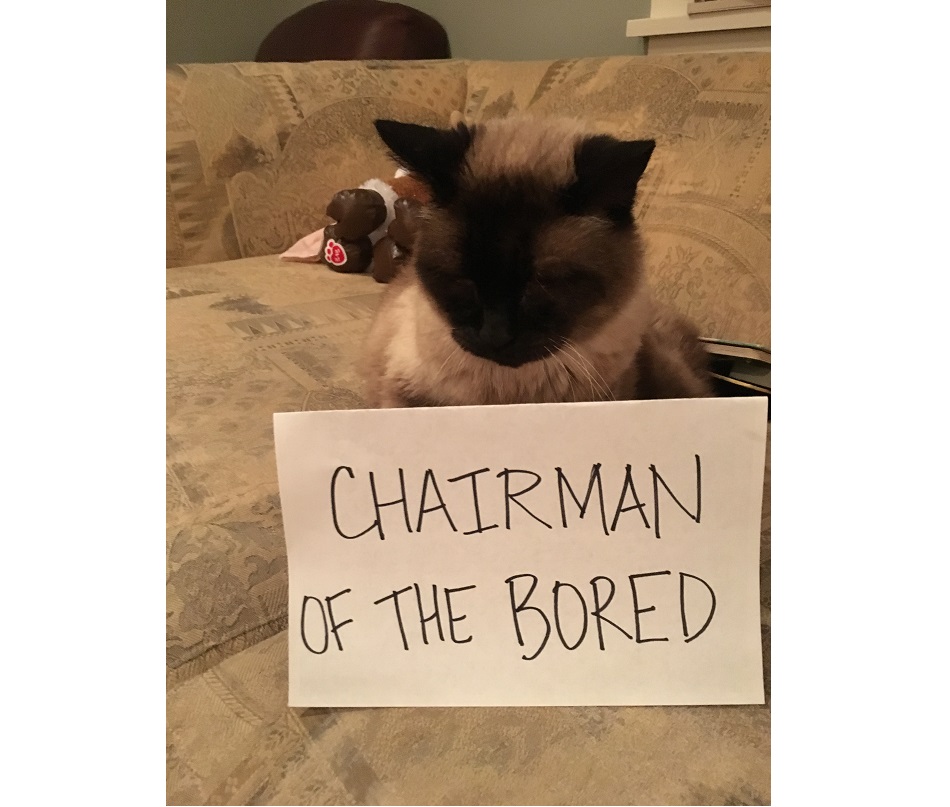
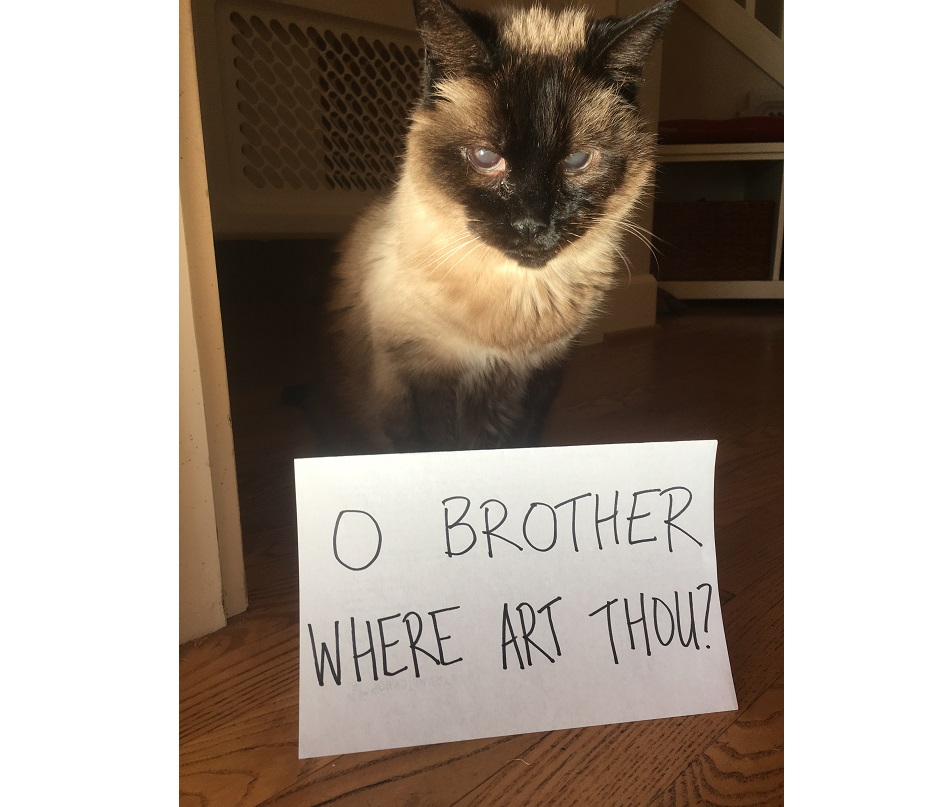
So I felt wordless when Biscuit died six years ago at almost 14-years-old. The day after he passed, all I had was a sign for the cat who seemed equally as lost:

That space and time we need to find our words again after something monumental has happened in our lives is the subject of my Wise & Shine post for today: Writing From The Heart

The Flip Side of Writing

You think your pains and your heartbreaks are unprecedented in the history of the world, but then you read. It was books that taught me that the things that tormented me most were the very things that connected me with all the people who were alive, or who have ever been alive.” – James Baldwin

I think I’ve been ruminating for the past week or so about the idea of reading ever since I saw Davy D’s post What Kind of Reader Are You? Because when I woke up yesterday morning with no idea what I’d write about for my Wise & Shine post today, it popped in my head that what we all have in common on this platform is that we are readers.

Given the descriptions Davy provides, I relate to being a Skim Reader. When I was talking about this with my dear friend, she told me her husband who reads so thoroughly that the Kindle estimates about how much time is left to read a book actually go UP the longer he reads. They joke that the author must still be writing when her husband reads.

But whatever kind of reader we are, we create a space that we inhabit, even if briefly, with the author. My post today for Wise & Shine reflects on what a gift that is: The Ultimate Reader.

The Way I See It

Be sure to taste your words before you spit them out.” – unknown

I’m fascinated by the different ways our brains work. Most recently, I’ve had the chance to watch my kids as they approach the world with their “lantern awareness.” That’s a phrase from Dr. Alison Gopnik, the cognitive psychologist from UC Berkley, who talks about young brains being rewarded for what teaches them the most so they see the world as if they are holding a lantern high and they see everything in their vicinity. Whereas our adult brains have spotlight awareness, which most of the time is like tunnel vision towards our objectives.

In addition to that, it’s things like my friend, Doug, who can remember every route we’ve ever climbed in like a 360 degree view. “Remember that tree when we turn to head up the ridge?” he ‘ll ask. And I shake my head no.

Or my brother who has such great spacial awareness that to work with him to assemble the 300 bars of a jungle gym into a dome is a marvel.

When I was young, I used to memorize license plates which earned me the nickname Rain Man (do you remember that movie?). Fortunately my brain has given that up and now it hangs memories onto my favorite words. So when I hear the word luminous, it reminds me of Julia Preston because of her ability to bring light.

These word associations are the topic of my Wise & Shine post: My Love Affair with Words.

(featured photo from Pexels)

Democratizing the Theater

Gotta move different when you want different.” – unknown

My friend, award winning playwright, Jack Canfora has been working with his theater company, New Normal Rep to democratize theater. That is to say, they are trying to bring a dramatic theater experience to everyone, no matter where we live and at a cost that isn’t a whole paycheck.

So recently New Normal Rep produced a theatrical podcast of Jack’s play, Step 9 and released it on all podcast platforms for free. Doing it this way means a completely different marketing paradigm than brick and mortar theaters and they are relying on social media and word of mouth to spread the word about this really great play.

I was lucky enough to be able to interview Jack about Step 9, apologies and healing on the latest Wise and Shine podcast. For anyone who does podcasts and is interested in a great conversation, you can listen to the podcast on Spotify or via this link: Wise and Shine Podcast Episode 10: Jack Canfora on Step 9

And if you’d like to see the podcast show notes, I’ve posted them on Wise & Shine: Episode 10: On Step 9, Apologies and Healing

Finally, I highly recommend checking out the audio drama, Step 9. You can find it by searching New Normal Rep Step 9 wherever you podcast or going to: https://tinyurl.com/Step-9-NNR