How to Share a Ghost Story

Share your knowledge. It’s a way to achieve immortality.” – Dalai Lama

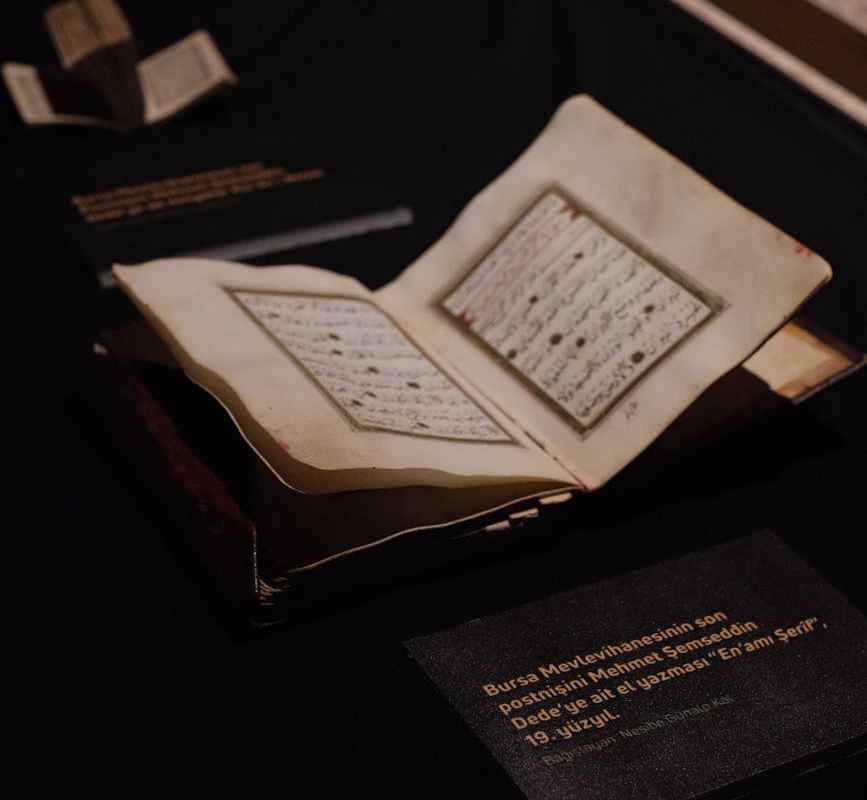
Book collector Harry Elkins Widener was 27-years-old when he stood on the deck of the Titanic and urged his mom to get on a lifeboat. He said he needed to go back to get a rare and precious book. He was never seen again and no book was ever found.

Here’s what I love about how we share. That story has persisted in the 113 years since the Titanic went down because it was shared. It lives on because Harry Elkins Widener’s mom built a library for him at Harvard complete with Memorial Rooms that house his desk and shared his rare book collection. I know of the story because the talented novelist Alyson Richman heard the story, did an immense amount of research, and then shared it in the form of her delightful latest historical novel, The Missing Pages. We humans really are amazing at our ability to share knowledge, stories, and legacy in so many ways.

On the latest episode of the How to Share podcast, Vicki Atkinson and I had the great fortune to talk with Alyson Richman about her incredible book, The Missing Pages. She tells us how she heard the story of Harry Elkins Widener from her daughter and was inspired to write this book.

Alyson has the amazing ability to inhabit the time periods she writes about – and they are different for each of her 12 bestselling novels. She tells us about her research process and how her insatiable curiosity helps to drive her storytelling and writing.

We talk about the unexpected gifts in writing. In this case, the story her daughter, Charlotte, brought home from a Harvard Campus tour. Alyson reminds us that you have to be open to receive unexpected gifts and the goodness that flows from them.

Alyson has done that beautifully in this book, embodying both the mother and son’s viewpoint as well as the rich historical context in her gripping story. It’s a ghost story, mystery, bibliophile adventure, and love-story all wrapped up in one delicious book.

This is a wonderful conversation with an incredible author about a fantastic book. We know you’ll love it.

Takeaways

  • Alyson Richman’s novel ‘The Missing Pages’ is inspired by a true story.
  • The book intertwines the past and present through a ghost narrative.
  • Richman emphasizes the importance of being open to unexpected gifts.
  • Her research process involves extensive historical exploration.
  • The themes of grief and memory are central to her storytelling.
  • Richman’s characters are deeply developed and emotionally engaging.
  • Historical facts serve as building blocks for her narratives.
  • Richman is currently working on a new novel about Edith Wharton.

Here’s Alyson talking about her inspiration:

Here are some ways you can watch this great episode:

Links for this episode:

How to Share a Ghost Story with Alyson Richman transcript

The Missing Pages on Barnes & Noble and Amazon

Alyson Richman’s website

From the Hosts:

Vicki’s book about resilience and love: Surviving Sue; Blog: https://victoriaponders.com/

My book about my beloved father: Finding My Father’s Faith

How to Share a Short Story

“Either write something worth reading or do something worth writing.” – Benjamin Franklin

Back when my brother had his pilot’s license, I would occasionally fly with him when he needed to get time in practicing take-offs and landings. We’d go on days where the weather was nice and spend an hour or two flying to nearby airports to land and take-off again to meet the minimum requirement for flight hours necessary to maintain his license.

Taking off and landing is the hardest part of flying. And I think that’s the same with writing, isn’t it? It’s why I’m so impressed by short story writers. That’s a lot of take-offs and landings, so to speak.

So I loved this How to Share podcast conversation that award-winning playwright Jack Canfora and I had with author Maxine Rosaler. We delve into her recently released book, The Missing Kidney, a collection of short stories that explore the complexities of human relationships set against the backdrop of New York City in the 1970s and 80s. There are 14 short stories in this collection – and Maxine is an expert at take-offs and landings.

Maxine shares her journey as a writer, discussing her preference for short stories, the therapeutic nature of writing, and the importance of character development. We touch on the evolution of New York City, the themes of truth and denial in her work, and the challenges of navigating personal relationships in fiction. Throughout the conversation, Maxine emphasizes the significance of finding one’s voice and the role of encouragement in a writer’s journey.

Takeaways

  • Maxine’s stories are character-based and often autobiographical.
  • She prefers writing short stories over novels for their conciseness.
  • Writing can be therapeutic, helping to process emotions and experiences.
  • The city of New York serves as a character in her stories.
  • Maxine believes in the goodness of people and explores themes of denial.
  • She emphasizes the importance of finding one’s angle in writing.
  • The evolution of New York City influences her writing and themes.
  • The unconscious mind plays a crucial role in the creative process.

Here’s a short of Maxine’s introducing one of her stories and some of the themes she likes to explore:

Here are some ways you can watch this engaging episode with the “best short story writer you’ve never heard of” per Kirkus Reviews. Until now, of course…

How to Share Our Luck with Gil Gillenwater How To Share

In this enlightening conversation, Gil Gillenwater is with host Wynne Leon and shares his experiences and insights from over 35 years of philanthropic work along the US-Mexico border. He discusses his book, 'Hope on the Border,' which highlights the transformative power of education and community service. Gil emphasizes the importance of enlightened self-interest over traditional charity, advocating for a model that empowers individuals and fosters dignity. He explores the duality of poverty, the need for sustainable opportunities, and the joy found in serving others, ultimately presenting a vision for a more connected and compassionate world.TakeawaysEducation is the key to breaking the cycle of poverty.Enlightened self-interest can lead to personal and communal growth.Charity should not be viewed as a sacrifice but as a mutual benefit.Volunteering provides a sense of purpose and fulfillment.Welfare can disempower individuals and communities.Community service fosters connections and shared humanity.The disparity in wealth is a significant issue that needs addressing.Experiencing poverty firsthand can change perspectives.Creating opportunities in one's home country can reduce migration.The joy of service is a pathway to personal happiness.Links for this episode:How to Share homeHope on the Border at AmazonGil's organization: Rancho FelizGil Gillenwater on FacebookWynne’s book about her beloved father: Finding My Father’s Faith; Blog: https://wynneleon.com/; Substack: https://wynneleon930758.substack.com/
  1. How to Share Our Luck with Gil Gillenwater
  2. How to Share 1970's Chicago with Doug. E. Jones
  3. How to Share Feedback with Dr. Vicki Atkinson
  4. How to Share the Next Generation with Mari Sarkisian Wyatt
  5. How to Share Impactfully with Social Media Friends with Amy Weinland Daughters

How to Share Short Stories transcript

Links for this episode:

⁠The Missing Kidney⁠ website

The Missing Kidney on ⁠Barnes & Noble⁠ and ⁠Amazon⁠

From the Hosts:

⁠Jack Canfora’s website⁠

My book about my beloved father: ⁠Finding My Father’s Faith⁠;