Meet Tenderness with Tenderness

My hands never feel empty because you hold them with care and love.” – unknown

Yesterday, my two-and-a-half year old son and I were sitting in the car goofing around while parked outside Starbucks before I dropped him at school. It was an early Monday morning after a really fun weekend as a family together and he said a couple of times that he didn’t want to go to school. Then he said, “I miss you, Mama.” And I started to protest that I was right there and talk him out of it. But before I could put the words together he followed up, “I miss you Mama atta school.”

My heart was gulping like a fish out of water and tears sprang to my eyes. Before I left the moment to justify that I can’t be do everything or to troubleshoot how we could spend more time together, my thoughts snagged on an idea from poet and author Mark Nepo that tenderness is best met with tenderness.

Frequently, this reflex to solve, rescue and fix removes us from the tenderness at hand. For often, intimacy arises not from any attempt to take the pain away, but from a living through together; not from a work out, but from a being with. Trust and closeness deepen from holding and being held, both emotionally and physically.

The Book of Awakening by Mark Nepo

So I gave him a big hug and said, “I miss you too, Buddy.” Then we went on our way.

I found out from his teacher that when the kids at school miss their families, she gets out a picture of their people for them so they can look at it. It’s the daycare version of the pictures I keep on my desk that give me a little zing whenever they catch my eye.

I felt my son’s statement all through the day as I went about my business. When it sparked a feeling of guilt or responsibility I kept practicing the return to the beauty of having a relationship worth missing.
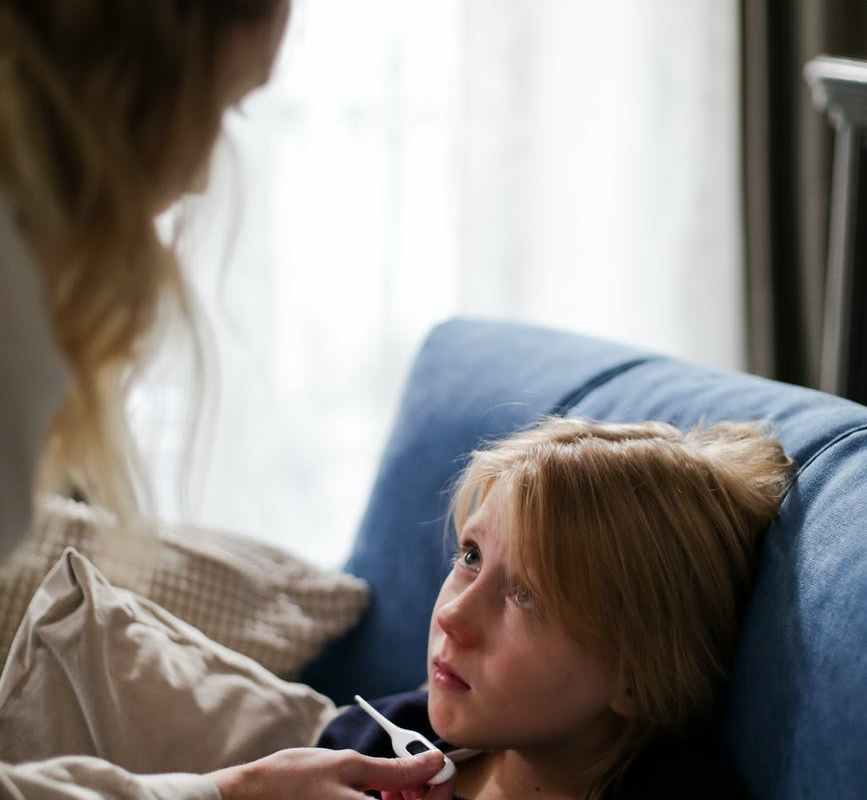
Together In Sickness

A year from now, what will I wish I had done today?” – unknown

This week of my family coming down with a cold has made me think of attitudes about getting sick. Rina, my best friend in college, was the first person I learned from that being sick could be fun. From her stories, I gathered that her mother made the days she had to be home sick to be like spa days with lots of good food, sympathy and glossy magazines. Rina is Finnish and I’ve wondered if this particular way to embrace sick time is cultural.

By contrast in my family when you were sick, you stayed in bed, had no special privileges and if you were sick in the morning, you had to be sick all day so you couldn’t go play with your friends in the afternoon, even if you felt better. It was an experience designed to make sure there was no psychological advantage to being sick. In our house of Protestant productivity, being sick and the resulting impact on our usefulness was to be avoided at all costs.

So I find myself torn when my kids have to stay home from school because they are sick. On one hand I want to enjoy the break from routine and sympathetically help them feel better. On the other hand, it usually represents a stress to my work productivity that I have a hard time setting aside. But more than that, it goes against the grain of the self-worth as measured by productivity that was ingrained in me from the early days.

When I heard of the word hygge (pronounced hooga) it made me think of Rina and her mom. Hygge is a Danish word without any direct translation to English but according to this article on Quartz, has a meaning that encompasses both coziness and togetherness. It makes me think of that warmth that comes from deep companionship through better and worse.

The warmth of that word and idea, combined with my sense that being together should be celebrated in a family plus the lack of compassion I have for myself when I’m sick has spurred me to try to forge a new path for my little family when we are sick. I’ll probably never be able to reform so much that I drop everything, buy glossy magazines and bath bombs but I think a little fun and great food to help make it through when we feel crummy is worth aiming for. May it bring a sense of hygge to us, especially when we aren’t feeling well.

(featured photo from Pexels)