“The worst loneliness is to not be comfortable with yourself.” – Mark Twain
This is something I published on 9/7/22. Heads up – you may have already read this.
The other night my seven-year-old was being short-tempered with her younger brother and snippy with me. I asked her not to take out her mood on others and she replied “I don’t know what to do with the meanness!”
Huh. Isn’t that a great question? I was raised in a household that believed “If you can’t say anything nice, don’t say anything at all.” Which I think has it about half right – not saying mean things is an admirable goal. But since just stuffing it down is likely not to work long-term, what do you do with the meanness?
Tend the Body
On the night in question, my daughter was both tired and stressed. In fact, I think I can pretty accurately say that if one of my kids is grumpy, there’s about a 90% chance it’s because they are tired, hungry, cold or sick.
And that goes for me too. If I’ve depleted my energy reserves with a hard work out or am tired because I haven’t slept well, I’m much more likely to think, if not say, unkind things.
As my colleague on this blog, Jack Canfora said in his brilliant post on Things I Think I’ve Learned So Far, “There will be things you do and say in an offhand way that will stay with others their entire lives, for better or worse.” So how do we tip the scales so that those things are more often for the better?
Mind the Mind
Dr. Dan Siegel, neuropsychiatrist and author, talks about the structure of our brains. In his terms, fear and anger reside in our downstairs brain, the brain stem and limbic region, whereas thinking, planning and imagining reside in the upstairs brain, the cerebral cortex and its various parts. The more we exercise integration of these two parts by making sound choices, delving into self-understanding, practicing empathy, posing hypothetical moral questions, the better we can apply higher-level control over our instinctive reactions. From The Whole-Brained Child, those are the recommendations of what we can do to help kids integrate the upstairs and downstairs brains but they work equally as well to mold adult brains too.
As Daniel Kahneman notes in his book Thinking Fast and Slow, “People who are cognitively busy are also more likely to make selfish choices, use sexist language, and make superficial judgments in social situations.” Cognitively busy being shorthand for when we tax our brains with concentration, complex computations and choices. So we need to find a way to give our busy minds a break.
Feed the Soul
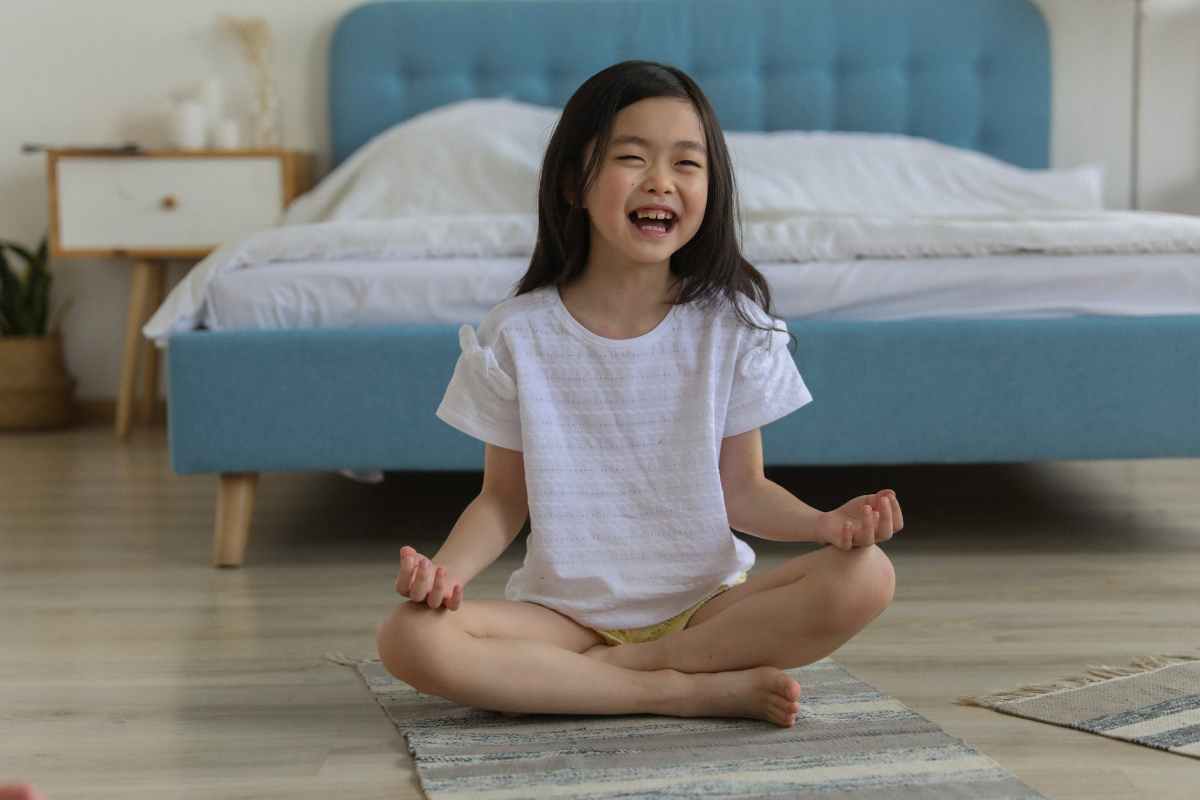
For me, giving my mind a break comes from meditation. I call sitting down on my meditation cushion “Irrigating the Irritation” because it so often helps soften where I’m stuck. It delivers me from the petty complaints by introducing a bigger sense of perspective.
This matches the experience reported by brain scientist Dr. Jill Bolte Taylor when she had a stroke that quieted the mental chatter of her mind and opened her up to a sense of deep inner peace and loving compassion. Studies of Tibetan meditators and Franciscan nuns have shown a similar shift of neurological activity for those engaged in prayer and meditation.
From a recent study published by the Oregon State University, they found that meditation can help replenish mental energy in a way similar to sleep. In fact, according to the lead author of the study, Charles Murniek, “As little as 70 minutes a week, or 10 minutes a day, of mindfulness practice may have the same benefits as an extra 44 minutes of sleep a night.”
Of course meditation is hard practice for kids. There are techniques like box breathing and just counting to ten that help in the throes of big emotions but I haven’t gotten my kids to sit for more than five minutes at a time on a meditation cushion. However, I’ve also noticed that just sitting and coloring also brings about some mental rest, both for kids and for me when I do it alongside them.
What to Do with the Meanness
I tell my kids that my job is to keep them healthy, safe and kind. I know the kind part is a stretch because kindness is a choice they’ll have to make. Also because I have my hands full just trying to practice kindness myself. But at the very least, I can help find ways they can manage their meanness and in doing so, help myself to do the same.
I’ve also posted today on the Wise & Shine blog about first sentences that draw us in: Great First Lines. Check it out!
(featured photo from Pexels)








 Surprised By Joy