“Knowledge increases by sharing, not by saving.” – Kamari aka Lyrical
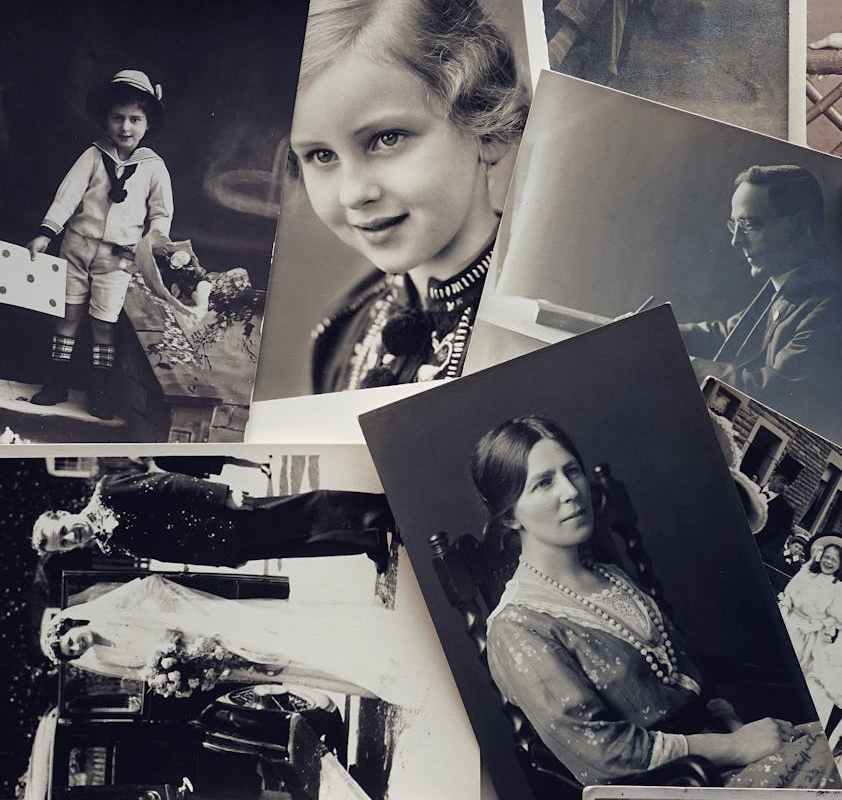
Somehow I ended up as the keeper of a friend’s family photo albums. From time to time I’ll walk by an album and flip it open to a random scene from the 1960’s – his family all posed for a vacation photograph or one of a Christmas morning. And I’ll wonder, did it feel the same way to be in his family as it did mine?
One of things I find fascinating about when we share our stories is how they land for other people. It’s that chance to find out that we’re not alone in our experience and also that every family has its own flavor of wacky.
In this episode of the How to Share podcast, my co-host Vicki Atkinson and I are with author and educator Gloria Golec talking about her family memories.
We talk about acclaimed author and educator Gloria’s heartwarming new memoir, South Side Memories. This captivating book invites you on a journey through vivid snapshots of family, Polish immigrant heritage, and the vibrant streets of Chicago. With every page, Gloria masterfully reveals how cherished memories shaped her life and inspired her path.
We uncover the power of storytelling as Gloria shares how writing helped her stay connected to her roots and loved ones. She generously reveals the secrets to starting—and finishing—a personal project that might seem daunting at first, making it accessible for anyone ready to share their own story.
South Side Memories isn’t just a memoir; it’s a celebration of identity and resilience. Through Gloria’s uplifting narrative, you’ll learn how sharing your story can touch hearts and inspire others. This is a must-listen for anyone who values heritage, family, and the transformative magic of storytelling. Don’t miss your chance to be inspired—fall in love with South Side Memories today.
Takeaways
- The book is a reflection of the American dream and immigrant experiences.
- Storytelling helps maintain connections to roots and loved ones.
- Writing can be a therapeutic process for personal growth.
- Family dynamics, especially gender roles, play a significant role in shaping identity.
- Cherished memories can provide clarity and understanding of past relationships.
- Cultural heritage is often intertwined with food traditions and family gatherings.
- Teaching experiences can influence one’s writing and storytelling approach.
- Writing a memoir can be an emotional journey that brings past relationships closer.
- Encouragement to start writing by focusing on one story at a time.
- Sharing stories can inspire others and create a sense of community.
Here’s Gloria describing her captivating book, South Side Memories:
Here are some ways you can watch this compelling and inspiring episode:
- The podcast player embedded below
- Click this link to watch in a browser: How to Share Snapshots of the American Dream
- Subscribe to How To Share on Spotify, Amazon Music, or Apple Podcasts
- Subscribing to the YouTube channel: https://www.youtube.com/@howtosharepodcast
Please listen, watch, provide feedback and subscribe.
Links for this episode:
How To Share Snapshots of the American Dream transcript
Gloria Golec’s profile on Eckhartz Press
South Side Memories on Eckhartz Press
From the hosts:
Vicki’s book about resilience and love: Surviving Sue; Blog: https://victoriaponders.com/
My book about my beloved father: Finding My Father’s Faith
(featured photo from Pexels)
 Surprised By Joy
Thank you for your valuable takeaways on this Wynne. The transformative power of storytelling – oh yes! For me, when in the audience, it seems to bridge that gap between listening and hearing. The story draws me in. From the storyteller’s side – how brave! Or quite possibly that’s my stuff! 🙂
LikeLiked by 3 people
Such a great observation about bridging the gap between listening and hearing. Oh, that’s so good, Margaret. I think you have it exactly right! Thank you for this great comment!
LikeLiked by 1 person
Gloria’s story inspires! No doubt. Thank you for highlighting the good here, Wynne. Always appreciated and I know folks will enjoy Gloria’s book! 🥰
LikeLiked by 2 people
So much good to highlight! Thanks for being part of this great conversation, dear Vicki! ❤ ❤ ❤
LikeLiked by 1 person
Xo! 🥰
LikeLike
Sharing our stories helps build bonds with one another. We see things in common between the different cultures that bridge the differences, help to curb the isolationism. On the outside we look different, but inside, we share so many commonalities.
LikeLiked by 4 people
I am in sympathy with Tamara’s comment.The story of the fulfillment of the American Dream fills the heart. In our time, it also reminds us (if we need a reminder) of something that is not always on offer, and not always within reach for everyone. When I look at the books of photos left by my parents, I think not only of the achievement of my parents and many of their friends, but also wonder about those who are nameless, at least to me. What were their lives like? What were their joys? What were their hardships? At least, I wish I knew their names.
LikeLiked by 2 people
Nameless people may have made some deeply relevant contributions to your parent’s lives, and you may never know it, but you’ve felt it.
LikeLiked by 2 people
Your comment about those who are nameless and the questions is so good, Dr. Stein. Especially when the cost of a photograph was so much higher, they must have been significant to our parents. And you’re right about the American Dream – a good reminder that it is not always within reach, especially today.
LikeLiked by 2 people
I love this comment, Tamara. Couldn’t agree more about build bonds with one another through stories. So good!
LikeLiked by 1 person
I loved Gloria’s “back story” explanation of how this memoir evolved. “What about my aunt?” “My parents?” And soon, she had separate character studies that when combined, tell a bigger story. I enjoyed locking in on Gloria and her storytelling; her line of thinking. I just “got” her. She made me think too about “sacrifice”, about not recognizing what our parents or aunts did for us at that time because we were young, but we can clearly see it now. I’m going to think about that. Gloria was great! Thanks, Wynne and Vicki.
LikeLiked by 2 people
Character studies — such a perfect way to put it. I love the story she tells about baking potatoes. Things like that we only can appreciate in hindsight. I love the way you listen, Melanie!!
LikeLiked by 1 person
I only borrowed her phrase “character study.” 😊And I couldn’t believe she played in the delivered coal! Yikes!!! (Filed under “Things We Didn’t Know.”)
LikeLiked by 1 person
What a great story about her life growing up in Chicago with such a hard working family.
LikeLiked by 1 person
I couldn’t agree more, Elizabeth! Thanks for tuning in!
LikeLiked by 1 person
😊
LikeLike
What a lovely story about Gloria’s life in her memoir. It gives pause to where we were, where we are, and celebrating how we got here. Thanks so much for sharing this lovely episode Wynne! 💖👨👩👧👦🦋
LikeLiked by 1 person
Thank you for this lovely comment, Kym. Love your note about celebrating how we got here. Yes! So important!
LikeLiked by 1 person
You are so very welcome my dear Wynne! I love how you and Vicki encourage so many of us to tell our stories. Thank you for that my friend. Hugs and smooches! 😊💖🙏🏼
LikeLiked by 1 person
Thank you for noticing!! ❤ ❤ ❤
LikeLike
You make such an important point about how we bond over shared stories, Wynne. One of the things I like most about reading is that it triggers memories I haven’t thought of in decades. My parents grew up in the western suburbs of Chicago, so I’m going to take a closer look at Gloria’s book.
LikeLiked by 2 people
Triggering memories — that’s exactly right, Pete. It’s funny how they are waiting in there and then someone else tells their story and they pop up! Love that this connects to your Chicago roots. Thanks for tuning in, my friend!
LikeLiked by 1 person
I love perusing old photo albums. My mom has a collection dating back to her own childhood, and one day, I hope to inherit those.
LikeLiked by 1 person
It is fascinating! I have inherited the family albums because everyone else has moved more frequently — so perhaps if you stay in one place?? 🙂
LikeLiked by 1 person
Err…too late! I’m halfway across the country now! But I still want them.
I’ve also laid preemptive claim to the slide projector and reels of slides.
LikeLiked by 1 person
ooh, I can’t wait to hear the whole thing! I love family stories and am always wondering how to organize mine, it’s been an ongoing project and I love working on it
LikeLiked by 1 person
It is a hard thing to figure out how to organize! Thank you so much for tuning in, Beth!
LikeLiked by 1 person
I so agree with this, “Cultural heritage is often intertwined with food traditions and family gatherings.” and isn’t it wonderful. Being the caretaker of family photos and history is such a privilege!
LikeLiked by 1 person
You are so right, Mary – it is a privilege. And I love how you bring forward food traditions into holidays and travels!
LikeLiked by 1 person
What a lovely window into someone’s life – photos are so precious (and disappearing in this digital age!) Thank you for this post, and all the best for 2026, Linda xx
LikeLiked by 1 person
You are so right, Linda. And more than that, I feel like because we can take so many different versions the pictures are not so momentous. Thanks for weighing in!!
LikeLiked by 1 person
Always a pleasure 💜
LikeLike
Reading other people’s stories reminds us of how alike we really are in our experiences. We are not alone after all!
LikeLiked by 1 person
How alike we are — so true, Dana!! Yes!
LikeLiked by 1 person
Such a good reminder for all writers. One story at a time. Share your work. It might be more meaningful to someone than you’ll ever know. Hugs, C
LikeLiked by 1 person
Oh, you are so right, Cheryl! We never know how it’ll impact someone else. Like this comment which I’m so grateful for. Thank you, my friend! XOXO
LikeLiked by 1 person
“Cultural heritage is often intertwined with food traditions and family gatherings.” Yes, sometimes there’s too much food and too many gatherings for this introverted soul who is trying to maintain a healthy weight. 😀 Looking forward to listening to the podcast.
LikeLiked by 1 person
Good point about trying to maintain a healthy weight, Edward! I’m laughing because it’s so true!
LikeLiked by 1 person
I’m mentally preparing for my trip back home to PR in December. It’s going to take a while to lose the weight. 😀
LikeLike
Sounds like a very powerful memoir!
LikeLiked by 1 person
It’s a well done! Thanks, Pooja!
LikeLiked by 1 person
My pleasure!
LikeLike
A lovely conversation and always appreciate hearing writers share so intimately their writing process. One of my biggest regrets is not writing down my family history and my parents are both gone now. This is a motivation to document my living history and memoir.
I also wish I grew up with a grandmother. As you discussed, everyone should experience a grandmother’s love and being able to do no wrong – and have champagne together – once as a child.
Hope you’re feeling better, Wynne!
LikeLiked by 1 person
Ah, you know how to pull out the best parts, Ab! Right – my grandmothers didn’t ever get me champagne! 🙂
I love that you are thinking about recording your family history. I really liked Gloria’s description of how she started because often that’s one of the hardest parts.
Thanks for tuning in, my friend!
LikeLiked by 1 person
Thanks for your review of South Side Memories. It sounds so good!
LikeLiked by 1 person
Gloria did a great job! Thanks, Rebecca!
LikeLiked by 1 person