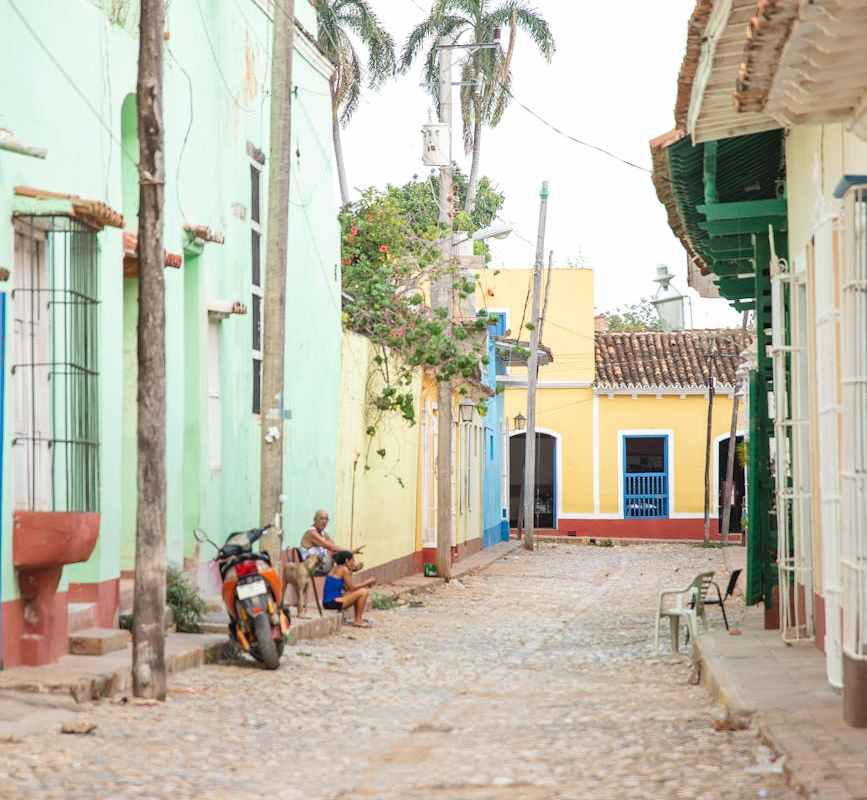
“Tell me facts, and I’ll learn. Tell me truth, and I’ll believe you. But tell me a story and it will live in my heart forever.” – Native American Proverb
I’m always amazed at how much hearing someone’s story impacts me. For instance, I published a post on Monday about how I had to evacuate files from my laptop when it started having a power problem.
It wasn’t until I produced this latest episode of the How to Share podcast with author Ana Hebra Flaster that I realized the connection. In her book Property of the Revolution: From a Cuban Barrio to a New Hampshire Mill Town, Ana tells the story how her family left Cuba in 1967 when she was six-years-old. They had to declare themselves enemies of the revolution so that once their exit papers arrived, they were escorted out of the house, it was sealed, and she and her family had 48-hours to say goodbye to family and friends.
In another great example of how powerful a story well-told is, the imagery of having to leave everything behind was still with me a week later when I had my laptop problem. Rightly so because Ana and I had a fantastic conversation about her memoir in this episode, How to Share Resilience with Ana Hebra Flaster. It’s an incredible memoir of the immigrant story with so much heart and courage.
Ana tells us the story of leaving how her family left Cuba with nothing of value as demanded by the Castro government. But they couldn’t contain the spirit and grit of those that left. Ana tells the story of how her mom stood up for an employee working for her and how that reflected the ethos of the Havana barrio from where she came.
We discuss Ana’s aunt’s determination to take her teaching degree with her to America even though it was forbidden by the Cuban government and her family disagreed. Ana explains why this was important enough to disregard the rules.
We talk about Ana’s childhood tolerance of “Cubanosity” as she coined the term and the struggle to both be rooted in her heritage but also be free of it as she came of age.
Ana tells us what writing a memoir has sparked in other immigrants and families she’s talked with after publication. How the thread of one experience touches so many. Ana reminds us to find our viejos (old people) and ask them questions.
Ana introduced me to the phrase, ponte guapa – make yourself brave. She exhibits that courage in writing a book that not only captures her family’s story but also speaks to all of us digging deep to know where we came from and how we fit in.
This is a great book and a fantastic conversation. I know you’ll love it!
Takeaways
- Ana’s memoir captures the immigrant experience with heart and courage.
- The importance of family and community in overcoming adversity.
- Writing can spark reflection and connection among immigrants.
- The phrase ‘Ponte Guapa’ encourages bravery in facing life’s challenges.
- Stories of powerful women in Ana’s family exemplify resilience.
- Trauma can lead to deeper understanding and appreciation of one’s roots.
- Engaging with one’s heritage can foster healing and connection.
- The act of storytelling is vital for preserving history and identity.
Here’s a great clip of Ana talking about her book and the incredible stories of bravery from her family:
Here are some ways you can watch the full episode:
- The podcast player embedded below
- Click this link to watch in a browser: How to Share Resilience with Ana Hebra Flaster
- Subscribe to How To Share on Spotify, Amazon Music, or Apple Podcasts
- Subscribing to the YouTube channel: https://www.youtube.com/@howtosharepodcast
Please listen, watch, provide feedback and subscribe.
How Writing Helps Us Survive Chronic Illness and Loss – The Life of Try: Personal growth, one try at a time.
- How Writing Helps Us Survive Chronic Illness and Loss
- Near Death, Deep Faith, New Life | Liza Anderson’s Extraordinary Story
- Encouraging Effort, Not Outcome: The Secret to Helping People Keep Trying
- How to Celebrate the Try
- How to Reclaim Fun in Adult Life; Michael Rucker, PhD on Joy, Burnout, and The Fun Habit
Links for this episode:
How to Share Resilience with Ana Hebra Flaster transcript
Ana’s website: https://anacubana.com/
Property of the Revolution on Barnes & Noble and Amazon
(featured photo from Pexels)
 Surprised By Joy
I’ve read memoirs about immigrants who thrive in another country. Ana’s story sounds like full of courage and resiliency that resonates with many. I’m intrigued of Cuba’s culture, too. This is going to be a beautiful podcast, Wynne.
LikeLiked by 2 people
thrive in another country is a great way to put it. Thank you, Hazel!
LikeLiked by 1 person
My pleasure, Wynne. Happy Thursday!
LikeLike
It must have been so hard for the family to leave like that and have to say goodbye to everyone and everything they knew. I will definitely check out her book.
LikeLiked by 1 person
You said it perfectly, Pooja! It’s such an interesting journey and great book. Thank you for checking it out!
LikeLiked by 1 person
My pleasure!
LikeLike
“Ponte guapa,” make yourself brave. It is advice for a lifetime, and fitting for the moment in which we have this essential responsibility. Thank you, ladies. You taught me something.
LikeLiked by 2 people
Essential responsibility – well said, Dr. Stein. There was an observation from her aunt about the protests in the US about Vietnam in contrast with what they’d seen in Cuba. She said as long people had the right to protest and speak out, things would be okay. It made me think of our time and how that we need to keep ensuring we have that right.
LikeLiked by 1 person
Ana’s story sounds rich and inspirational. Thanks for the introduction Wynne.
LikeLiked by 1 person
Rich and inspirational — well said, Brad! Thank you!
LikeLiked by 1 person
My pleasure. You really draw people out with your questions and insights.
LikeLiked by 1 person
Thank you, Brad. What a great compliment that I find so encouraging. I appreciate you taking the time to say it!
LikeLike
Some of the most inspiring stories of resilience I have ever heard have indeed come from those who took an immigrant’s journey. This sounds very much like one of those, Wynne. Thanks for amplifying Ana’s.
LikeLiked by 1 person
I agree, Bruce. The starting over is so hard and courageous. Thanks for tuning in!
LikeLiked by 1 person
Can’t wait to tune in! Thank you, Wynne! 💝
LikeLiked by 1 person
I hope you enjoy it, dear Vicki!! ❤
LikeLiked by 1 person
I did, I did…especially Ana’s story about her Tia….and the lengths she went to in order to retain her credentials…however she needed to do it. It’s a story I’ve heard from refugees and immigrants to the U.S. and I’m always impressed by the resolve and courage it takes to preserve documents – often in very creative ways! Loved Ana’s point about the importance of retaining identity AND credentials. So good! 💝
LikeLiked by 1 person
I love that story as well – identity and credentials. You summed it up perfectly. Thanks for listening!! ❤ ❤ ❤
LikeLike
So inspiring!
LikeLiked by 1 person
Yes! Thanks, Dana!
LikeLiked by 1 person
So incredibly heartbreaking but the courage and strength is beautiful .Thank you for sharingill have to check this out more on YouTube when I settle in for the day.
LikeLiked by 1 person
Courage and strength – you said it beautifully. I hope you enjoy – thank you for tuning in!
LikeLiked by 1 person
Enjoy your night!
LikeLiked by 1 person
Thank you for sharing. Talk about resilience!
LikeLiked by 1 person
Yes!! Thank you, Elizabeth!
LikeLiked by 1 person
👍🏼
LikeLiked by 1 person
Wow, her story sounds like a moving must read. Great quote, too and words truly lived, not just spoken, in the Native American culture. Sure to be a touching podcast. Thank you for sharing.
LikeLiked by 1 person
Oh, I love your observation about that proverb being words truly lived. Thank you, Michele!
LikeLiked by 1 person
Thank you for the lovely reply and a wonderful day to you! 😊
LikeLike
Oh, I’m looking forward to hearing about the “Ponte Guapa” part of the story.
LikeLiked by 1 person
I hope you enjoy it, Edward!
LikeLiked by 1 person
I actually heard it this afternoon, and it was excellent. I like how you pronounced “Ponte Guapa.” “Guapa” sounded perfect to me. What she said about how communities in Cuba are very close reminded me of growing up in Puerto Rico. Every time I did something wrong, I would get chastised by every neighbor until I got home to receive the ultimate punishment.
LikeLiked by 1 person
It means so much to me to receive this comment from you, Edward. And thank you for the comment on my pronunciation. I love that wording to remind ourselves it’s a process to make ourselves brave! Thank you, my friend! ❤
LikeLike
Hey Wynne: was scrolling through a journal from earlier this year reading an extract from yr post called ‘How To Receive’ and the phrase ‘listen like a lake’ came up; I reread it; let it sink in 🙂
LikeLiked by 1 person
Oh, I love that phrase. Thank you for reminding me of it! I’m so honored it made it into your journal!
LikeLiked by 1 person
‘make yourself brave.’ I love this and I can’t wait to hear more of her story!
LikeLiked by 1 person
So grateful to you for tuning in!
LikeLiked by 1 person
I was really drawn into this interview, Wynne. Ana just had a way about her where I wanted to hear every small detail on what it was like to start over with nothing from their previous lives. Yes, where do you find Cuban music in New Hampshire? Everything was a massive transition. I think the story that spoke to me the most was that making this decision to leave disrupted a way of life that Cuban families had embraced for generations. It would immediately cut them off from their generational threads. I can understand her dad’s pain that he was forced to sever his relationship with his Tias. Ana is amazing – thank you!
LikeLiked by 1 person
I love how deeply you listen, Melanie! Yes, where does one find Cuban music in that era? I loved the closeness of the neighborhood and family as she described it. Even the 9 of them living in one house once they moved here seems so different! I so appreciate your comments, my friend!
LikeLiked by 1 person
What a great episode! My favorite was the line about deep swimmers bringing down the floaters and ruining their day😂 So true!
LikeLiked by 1 person
Oh, I loved that too!! It’s such a great analogy, isn’t it? Thanks for listening, Todd!
LikeLiked by 1 person
I was captivated by this peek into the podcast, so I’ll have more time on the weekend to listen, Wynne. I can’t imagine how difficult it was to leave everything behind. And to cut up a diploma and sew it in a bra to be able to teach again, to take that risk was truly amazing. I love this also: “How the thread of one experience touches so many.” Thanks for sharing! ❤️
LikeLiked by 1 person
Isn’t that a captivating story? Thank you so much for taking a peek and tuning in! I appreciate it, Lauren!
LikeLike
I listened to this episode on a three-hour long drive home on Wednesday from an overnight work trip and it was very soul soothing. I can’t even imagine what it’s like to have to pack your entire life and have to leave your belongings behind, just to start anew in a safer place.
The story of Ana’s dad reliving his trauma and in his later years of having to leave his parents behind was so hard to listen to. It’s inspiring how she was able to find her own healing through writing – and in turn help heal other members of her family too.
LikeLiked by 1 person
You are such an amazing listener – it is truly incredible how you glean my favorite parts. Thank you for tuning in.
Yes, to leaving the family behind. Did your parents struggle with that when they came to Canada?
LikeLiked by 1 person
You know me well, Wynne. Yes, I thought exactly about my parents when I listened to this episode. It was a huge sacrifice for them especially my dad who came in his late 60s and I am eternally grateful for their sacrifice.
LikeLiked by 1 person
Wow – that must have been so hard. Incredible!
LikeLike
I have always been interested in Cuba and I have a very good friend who left the regime with her mom at the age of 8, leaving her dad there. She told me emotional and nostalgic stories about her childhood there. A couple of years ago she was able to bring her old and ill father to Europe, so that she can take care of him viejecito. I like Ana’s story very much, especially when she says that this is a human story that could be “felt” by anyone who left their family behind.
LikeLiked by 1 person
Wow – your friend’s story is fascinating, Cristiana. I’m so glad she was able to bring her father so she could care for him. What an incredible story. Thanks for tuning in!
LikeLike
good
LikeLike