Win as a Team, Lose as a Team

“When the water in the harbor goes up, all the boats rise.” – Chinese Proverb

The other day as we were driving home from the camp Miss O is doing this week, she grumbled, “It’s not fair that we lose as a team.” She explained further that the camp motto is we win as a team and lose as a team.  Earlier that day some people on her team had not been listening to their counselor so the whole team had to sit out for three minutes.

I’ve been volunteering at this camp every afternoon this week so I’ve had a chance to observe some of the brilliant team building activities the campers have been doing. In one, they needed to traverse a course set up with strings that have bells attached. Then can go over the strings or under the strings but if a bell rings, they become “blind” and have to ask for help from someone who is doing the course but not blind to lead them to home base where their sight is restored. Then they start the course again.

Once someone gets to the end of the course, there is a bowl that they need to deliver back to home base. Except the person carrying the bowl can only hold it for 5 seconds and they can’t move their feet while holding the bowl. If they hold it too long or move the feet, the bowl goes back to the beginning and they start again.

Watching these 6-8 year olds, it was fascinating to see how they managed these tasks. First, they all seemed pretty willing to help their teammates when they were blind, even if it meant having to start over themselves.

For the bowl passing part, they clearly needed to create a bucket brigade but were too excited by the instructor counting down the seconds they could hold it, “5 – 4 – 3” that they had trouble organizing themselves. They rarely held it more than 3 seconds and everyone crowded around the bowl instead of stringing themselves down the line so that they could be passed to.

The bowl went back several times, usually because someone moved their feet while holding the bowl, once when they were just feet away from the goal  – but they stuck with it and eventually got it done. They won as a team.

But do we, in the bigger picture, also lose as a team? Climate change, poverty, drinking water for all, public health – it appears we are all affected by these issues, some more and some less. And yet we forget that we have to work together to solve these big problems. Perhaps we all need to go back to camp.

What do you think? Is it fair that we lose together? Are we remembering to celebrate our wins together?
Making Good Choices

“Creative people are curious, flexible, persistent, and independent with a tremendous spirit of adventure and a love of play.” – Henri Matisse

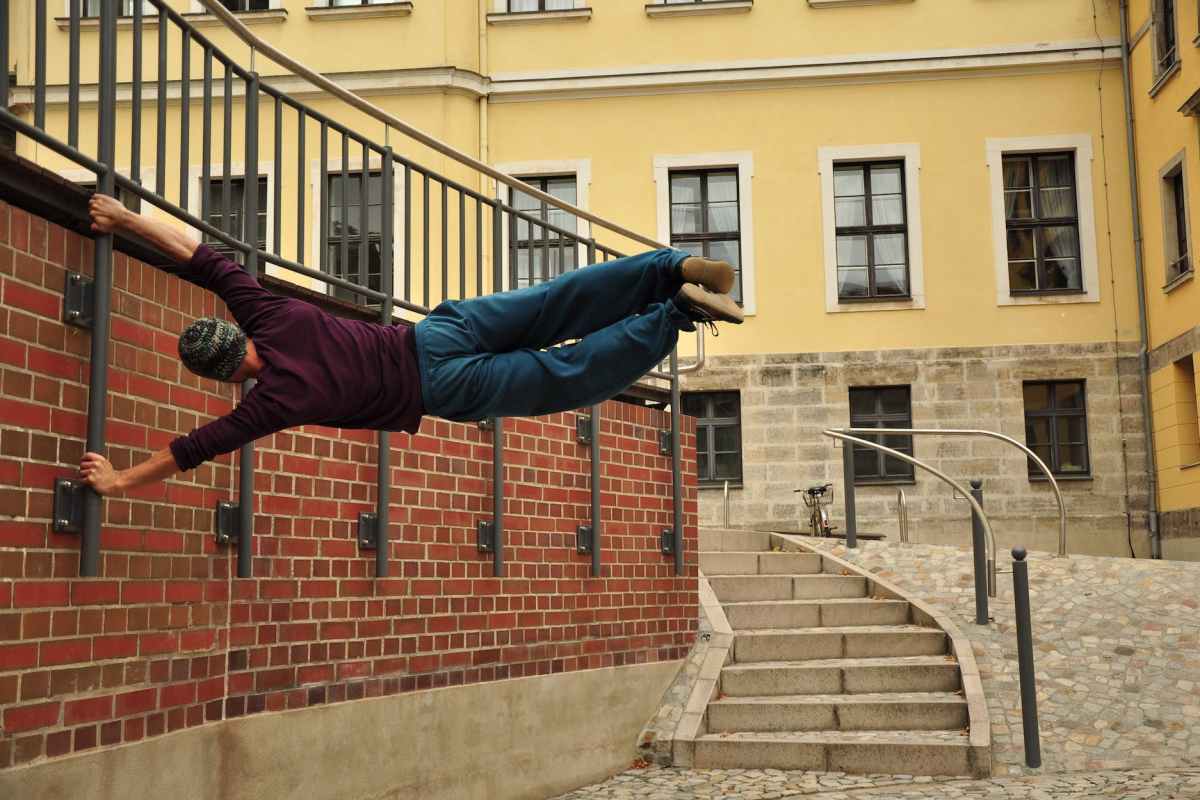
Yesterday we were driving to Parkour camp when Miss O said, “I really like Coach Kurt because he’s always teaching us about making good choices. Which is important in Parkour.” Then after a short pause she added, “I think it might be really important in life.”

Parkour derives its name from the French phrase meaning obstacle course. A year into the pandemic, I think I would have signed Miss O up for any in-person class that gave her an outlet to use all the extra energy building up from having to do online Kindergarten but I was fortunate enough to make the good choice of Parkour.

Watching the kids learn Parkour, it appears that they are just running, vaulting, climbing, and dodging. But what Coach Kurt as the founder of his Parkour training company and his other coaches seem to be emphasizing is that we have choices in how we navigate an environment. Social emotional learning shows up in most curricula for kids these days but as I digested Miss O’s statement, it struck me just how much she was learning… from play.

Thinking about this sent me to my copy of Gifts of Imperfection by author and researcher Brené Brown. She cites the work of psychiatrist Dr. Stuart Brown about the benefits of play as derived from his research and work in the fields of biology, neurology and psychology. “Brown explains that play shapes our brain, helps us foster empathy, helps us navigate complex social groups, and is at the core of creativity and innovation.”

More than that, Brené Brown’s entire book is on the choices we make in life and how cultivating the right things can help us to live more whole-heartedly, as she terms it. “Wholehearted living is about engaging in our lives from a place of worthiness.” It is all about making the right choices in life, to build on Miss O’s statement. Here are the ten guideposts that Brené offers:

Guidepost #1: Cultivating Authenticity: Letting Go of What People Think

Guidepost #2: Cultivating Self-Compassion: Letting Go of Perfectionism

Guidepost #3: Cultivating a Resilient Spirit: Letting Go of Numbing and Powerlessness

Guidepost #4: Cultivating Gratitude and Joy: Letting Go of Scarcity and Fear of the Dark

Guidepost #5: Cultivating Intuition and Trusting Faith: Letting Go of the Need for Certainty

Guidepost #6: Cultivating Creativity: Letting Go of Comparison

Guidepost #7: Cultivating Play and Rest: Letting Go of Exhaustion as a Status Symbol and Productivity as Self-Worth

Guidepost #8: Cultivating Calm and Stillness: Letting Go of Anxiety as a Lifestyle

Guidepost #9: Cultivating Meaningful Work: Letting Go of Self-Doubt and ‘Supposed To’

Guidepost #10: Cultivating Laughter, Song and Dance: Letting Go of Being Cool and ‘Always in Control’

The Gifts of Imperfection by Brené Brown

(Anyone interested in these guideposts might want to take the assessment that Brené Brown offers for free on her website.)

Thinking about how we are always making choices on how to navigate this obstacle course of life, I think Miss O summed it up that it’s important to make good ones. Or at least the choices that are meaningful to us. So when I saw Coach Kurt at Parkour camp yesterday, I made the choice to pause and tell him what my daughter had learned from this company and curriculum he so thoughtfully has put together. With glittering eyes he thumped his hand to his heart a couple of times and then said, “Thank you for sharing that with me.”

(featured photo from Pexels)

Know Thy Self

“The man who is a pessimist before 48 knows too much; if he’s an optimist after it he knows too little.” – Mark Twain

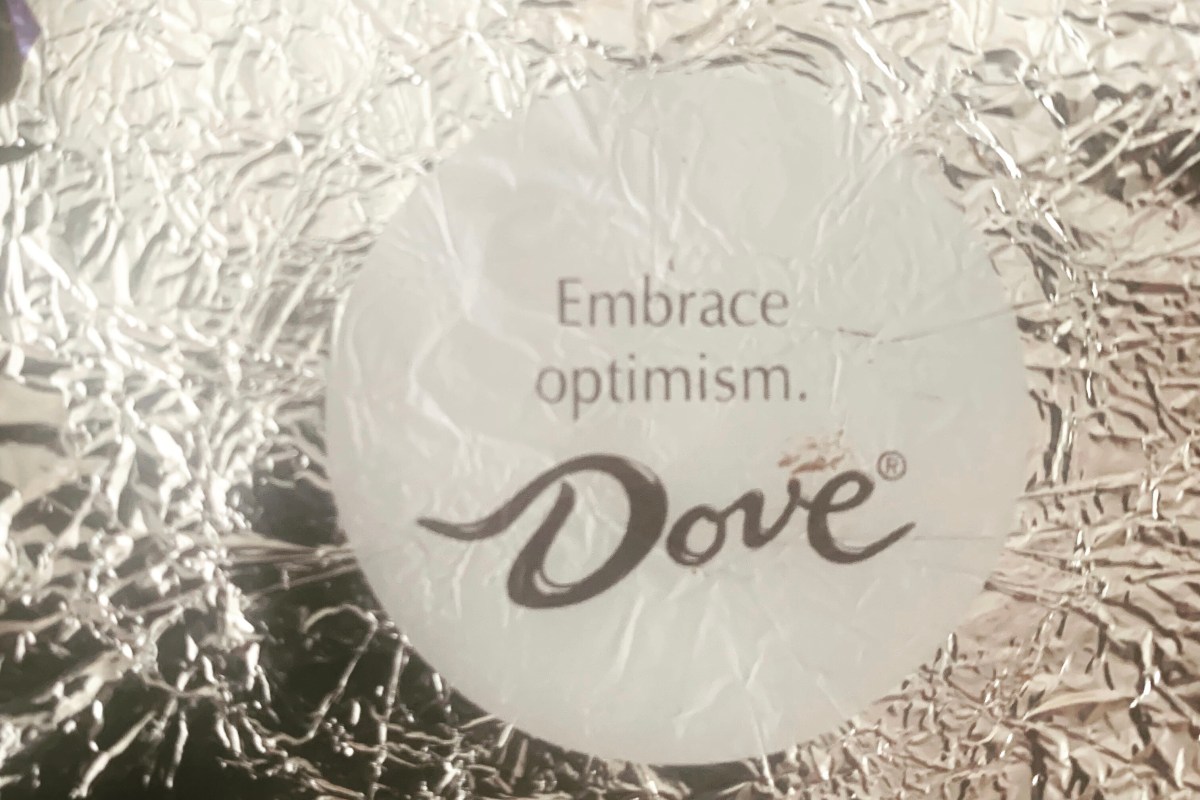
The other day I posted a picture of a Dove chocolate wrapper that said, “Embrace optimism” on Instagram. One of my friends from college commented, “I think it’s safe to say you’ve been giving optimism a bear hug for your whole life!”

She’s right – I’m a congenital optimist. It took me 42 years to realize year to realize it’s a trick of the mind because I came with it installed. And then it’s taken me 10 more years to figure out what things I get wrong because of my outlook. That puts me a little behind the curve according to my Mark Twain quote, but I’m working on it. It’s the subject on my post for the Pointless Overthinking blog: Rose Colored Glasses.

Try Not to Hurry

“I’m late, I’m late, for a very important date.” – The White Rabbit in Alice in Wonderland by Lewis Carroll

My sister-in-law was over the other day and told me that ever since she was out sick for a week about 6 weeks ago, she’s felt like she is always running behind. Then she listed all the things she hasn’t done and it struck me that none of them had to do with being on time, but instead were all about what she wanted to do with her time.

It struck a chord in me because I’ve been reading Alan Burdick’s book Why Time Flies (thank you for the suggestion, Dr. Stein) and he talks about all the different ways we use the word time:

Duration – the ability to determine how much time has elapsed between two specific events or to accurately estimate when the next event will occur.

Temporal order – the ability to discern the sequence in which events occurred.

Tense – the ability to discriminate between the past, present, and future, and the understanding that tomorrow lies in a different temporal direction than yesterday.

The “feeling of nowness” – the subjective sense of time passing through us “right now,” whatever that is

Why Time Flies by Alan Burdick

It’s been my goal lately to try not to hurry even when really busy which speaks to that “feeling of nowness” that Alan Burdick describes. It also resonates with an idea that we need to distinguish between what is important to us as opposed to what seems urgent that Gary Fultz wrote about in his post A Good Interruption Solution? “We are all in a different place between the urgent and the important. Let me suggest there is probably not enough time in life to do all of both.“

With all those ideas about “time,” it inspired my post for the Pointless Overthinking blog this week: The Quality versus Quantity of Time.

(featured photo from Pexels)

Freedom and Responsibility

“Freedom is not worth having if it does not include the freedom to make mistakes.” – Gandhi

A couple of days ago I converted Mr. D’s crib to a big boy bed by taking off one of the sides. I kept the crib thing going as long as I could because it’s so comforting to have a child stay where you put them but he’s been exercising his ability to push boundaries by climbing out so it was time.

The first night he got out of bed after I said “good-night” a couple of times, fell out of bed, and the next morning he got up 30 minutes early and woke his sister.

Of course I went through this with Miss O a few years ago but I’m reminded again of the lessons that freedom brings.

When we have freedom – to go anywhere we like or to use our time the way we wish or because we are the boss and no one tells us what to do – it is so exciting. Then we have to decide how to use it.

After the newness wears off, we have to learn to have self-control. We get to choose – within the limits of what is responsible and respectful of other people. We have to make decisions that don’t negatively impact our loved ones or people around us.

And when there’s more freedom, then everyone has to enforce their boundaries. In this case, Mr. D’s ability to pop out of bed is infringing on my ability to have morning kid-free sacred time and Miss O’s ability to sleep.

While kids who are almost 3-years-old are not the most reasonable people to talk and negotiate with, I find that having a strong relationship and consistent conversations about what does and does not work for everyone eventually gets through.

In the days that Miss O was learning how to manage her big bed freedom, I would turn on the Tibetan meditation chant music and say that if she got up early, the only option was to meditate with me. It didn’t take long for her to decide to stay in bed. I did the same with Mr D. except I notice that having another child there as a co-conspirator makes the conversation harder.

Yes, this is perhaps a strained analogy to the state of freedom in the US. But on this July 4th, may we remember that freedom comes with the responsibility to exercise self-control, be respectful of the others around us, the requirement to keep talking with each other and enforce our boundaries. Sometimes freedom works for us and sometimes the freedoms of others make us feel a little crazy and grumpy.  We have to keep working for the middle ground where freedom and respect are in balance. We made this bed and now we need to lie in it. 🙂

Happy 4th everyone!