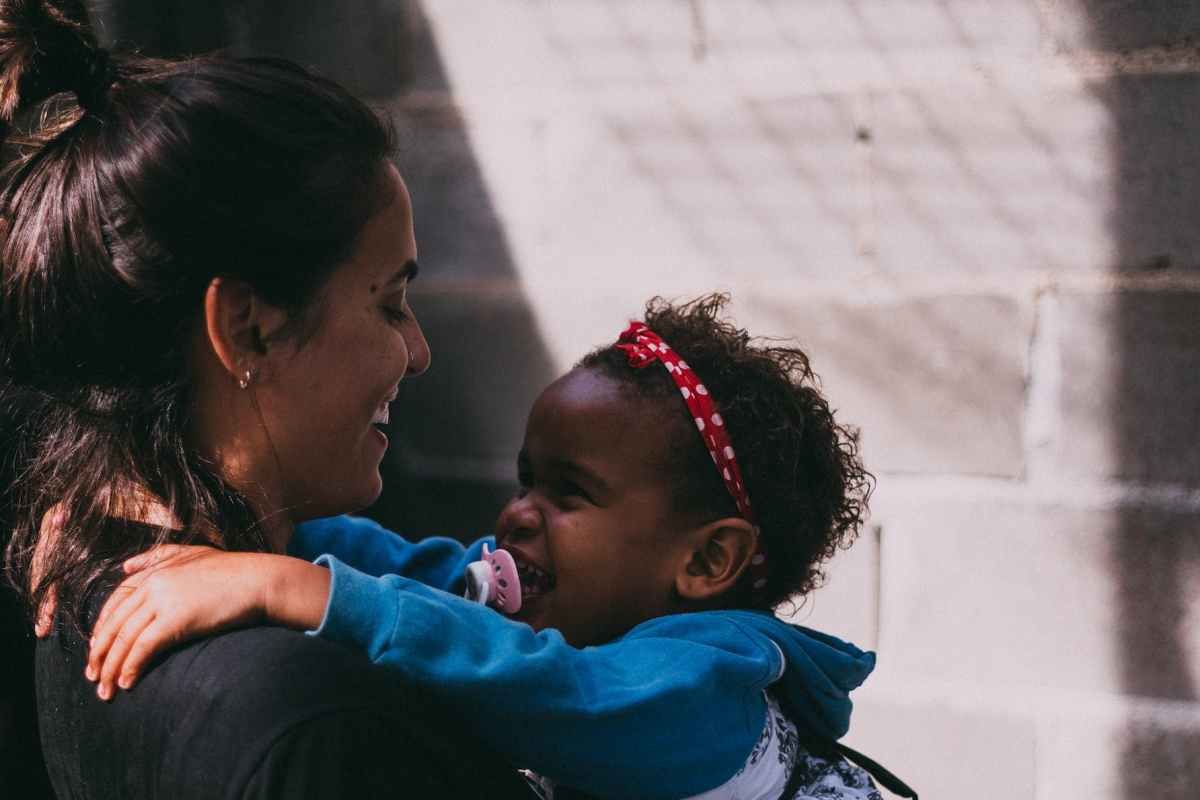
“When we were children, we used to think that when we were grownup we would no longer be vulnerable. But to grow up is to accept vulnerability. To be alive is to be vulnerable.” – Madeleine L’Engle
I’ve found that daycare drop-off is an incredible place to observe negotiation skills. These young people who are still very comfortable asking for what they need are masters. Speaking for myself, I think I often give away the power in the negotiation because I’m more concerned about Mr. D’s needs than my own.
At 4-years-old, he’s pretty comfortable going to school so we don’t have really tough drop-offs, but lately he’s been negotiating for upside-down hugs. No, I don’t have to go upside down, thankfully. I pick him up and flip him upside down. It’s a good arm and core workout.
Yesterday morning after I’d done the three we’d agreed upon, Mr. D negotiated for more. He started to hold up four fingers but saw that he was going to get push back and lowered it to two. And then asked for one more after and then one final one, managing to get the four he wanted after all.
I’m thinking about this because in my job we’re negotiating a new contract with an existing client. Here are the ways I think we could learn from the five and under set:
- Grown-ups, myself included, seem to fear the negotiation process. The idea that someone might use it as an opportunity to walk away is terrifying.
- It seems like we do a lot of guessing what the other side will do before even making an opening bid. And what they do, is rarely what we’ve guessed. Sure, it’s strategically sound to think through pros and cons, but it stops being fruitful when it freezes us in place.
- When we lean in to the process, it feels like connection. We seem to have forgotten what many little people know intuitively, that we can just ask for what we need.
Negotiation is vulnerable. Maybe all scenarios where we’re scared we won’t get what we want or need are. But watching these pre-schoolers reminds me that we won’t get anything unless we ask.
For more about negotiating, specifically the role of silence in negotiation, Vicki and I had another great podcast conversation with Dr. Gerald Stein – this time about the waiting game. See Episode 37: The Waiting Game with Dr. Gerald Stein to listen.
(featured photo from Pexels)


Great observations, Wynne! “We won’t get anything unless we ask” comment struck a cord. It reminded me of someone who automatically assumed that if she asked, the answer would be no. So instead of asking, she turned to manipulation to get what she wanted. Oh my.
LikeLiked by 4 people
I known people who are like that too. It makes me wonder if their preschool drop-offs didn’t go well or something else in their early modeling. “Oh my” is right!!
LikeLike
Nice post
LikeLiked by 1 person
This made me smile because my three-year old niece is also obsessed with upside-down hugs. As for negotiations, your points really struck a chord. I was in the workforce for 15+ years before I was brave enough to negotiate my salary. Before that, companies would offer less than the bottom of given range, and I would sigh and take it. It is vulnerable, but we may occasionally get just what we ask for.
LikeLiked by 3 people
Such a great comment, Erin. Your summary really resonates ” It is vulnerable, but we may occasionally get just what we ask for.” Yes! I wonder if negotiation is harder for women?
LikeLiked by 1 person
I’m not sure, but I would guess that negotiation is harder for women. If I’m being honest, the only reason I even considered asking for more is the men in my life encouraging me.
LikeLike
Great story about D’s hugs and good points about negotiating. I think you’re right about us too often not asking g for what we need.
LikeLiked by 1 person
Thanks, Todd! It’s a hard practice!
LikeLiked by 1 person
I remember both how terrified and how empowered I felt the first few times I asked to be compensated fairly for my skills at work. One boss never argued, just as if he was simply waiting for me to make the first move knowing I would eventually get around to it 😉 The last dental job I went a little over the top with my initial ask, but within a year proved that I was worth what I initially presented and boom- salary raised!
Just as a side note, sort of the flip side of asking for what we want, is the learning to have the ability to say no. Just as hard to accomplish, but just as empowering I think.
LikeLiked by 3 people
What a great comment, Deb. This is so good, “but within a year proved that I was worth what I initially presented and boom- salary raised!” Yes! Yes! Yes!
And great point about “no.” Right!
LikeLiked by 2 people
Negotiating is not my strength. I think it does make me feel vulnerable and I was always afraid of a “no” answer.
LikeLiked by 1 person
It’s not my strength either – especially when I’m really invested in getting what I want. It’s so hard!
LikeLiked by 1 person
I’m not good even if I’m invested. I think negotiating skill should be mentored or taught in school.
LikeLiked by 1 person
So true!
LikeLike
I’m so glad you shared this because I was just thinking the other day my T has a future as a negotiator. Kids really are so good at it because life hasn’t taught them inhibition and filters yet. It is amusing to watch and it’s certainly a skill to guide them towards building productively. May we also tap into this inner child when we need the courage to advocate for ourselves! 😆
LikeLiked by 1 person
That’s funny about T – yes, kids are so good!! And then (speaking for myself) it’s downhill from there! You’re right – tap into the inner child. Hope you all have a great weekend! ❤ ❤ ❤
LikeLiked by 1 person
Kids are good negotiators because they’re so sure of themselves. I worked in sales for years, negotiating was part of the job. I don’t especially feel I did it well, but I can do it.
LikeLiked by 1 person
Ah, that must be great experience, Ally! I bet practice helps a great deal.
LikeLiked by 1 person
This sentence “The idea that someone might use it as an opportunity to walk away is terrifying.” resonates so much with me. I totally agree with it!
LikeLiked by 2 people
Thanks, Cristiana! It resonates with me too!
LikeLike
I’m sitting here with my mouth hanging to the floor. You made me remember life as a kid. I never worried then about negotiations. I’d go up and down just like Mr. D without a real care in the world. If I saw an opening I’d take it. I didn’t worry about missing out. I didn’t worry about the other party taking the offer off the table. I didn’t worry about rejection, it was just a game. I’ve lost that as an adult. You’re so right, we won’t get anything if we don’t ask. Here’s to being a little kid again!!! Ha, ha.
LikeLiked by 3 people
love your conclusion, Brian! Here’s to being a little kid again! And I’m so flattered that I made you remember life as a kid!! ❤ ❤ ❤
LikeLiked by 1 person
It really hit me, why do we hate negotiating as adults. I’m assuming we have more to lose, but maybe we don’t. Maybe we just put too much pressure on ourselves.
LikeLiked by 1 person
I think you nailed it, Brian. We put too much pressure on ourselves!
LikeLike
I never gave my kids upside-down hugs, but I did like to throw them into the air and catch them. Always freaked my ex out, but to my credit, I never once dropped either one.
LikeLiked by 1 person
Such a great dad thing!! I love it!! And they’ve grown up to be great people too! ❤ ❤ ❤
LikeLiked by 1 person
Wynne, you are such a great mother creating situations where negotiation is beneficial to Mr. D’s growing cognitive skills!
LikeLiked by 1 person
Thank you, Mary. You never fail to say something uplifting and I appreciate you! ❤
LikeLiked by 1 person
A flip side to this, Wynne, is that, at worst, negotiating can be about demanding my rights. I remember negotiating not to have a salary increase on the grounds of fairness…
LikeLiked by 1 person
Ah, what a lovely flip side. Not many people would negotiate like you, Malcolm!
LikeLiked by 1 person
Little humans often keep us thinking. I am a firm believer in negotiating. It is a master class in doing away with regrets, speaking up, and learning that life often delivers us not what we want, but what we need. Yes, that can mean walking away sometime.
LikeLiked by 1 person
Oh, what an insightful comment about all that comes with negotiation. No wonder it is so hard! Thanks, MSW!
LikeLiked by 1 person
Children who feel loved and supported have no fear of asking for things, but kids who have experienced abuse tend not to ask, because they don’t have the same level of trust. As adults we have gone through a myriad of experiences that may slowly limit our abilities to trust in a positive outcome. These are the issues we then need to overcome and learn how to ask for what we want, in a healthy way!
LikeLiked by 1 person
Ah, what an interesting distinction about kids who feel loved and supported as opposed to those who do not. It makes perfect sense! The issues we need to overcome. Exactly!
LikeLiked by 1 person
Wonderfully written reminder, Wynne! I need more lessons from the preschool crowd in asking for what I need 💞💞💞
LikeLiked by 2 people
Love this comment, Dawn. Yep, I need more lessons too! ❤
LikeLiked by 1 person